Author: MPS

  • Should I Maintain My Marine Engine Even if I Rarely Use It?

    Should I Maintain My Marine Engine Even if I Rarely Use It?

    Should I Maintain My Engine Even if I Rarely Use It?

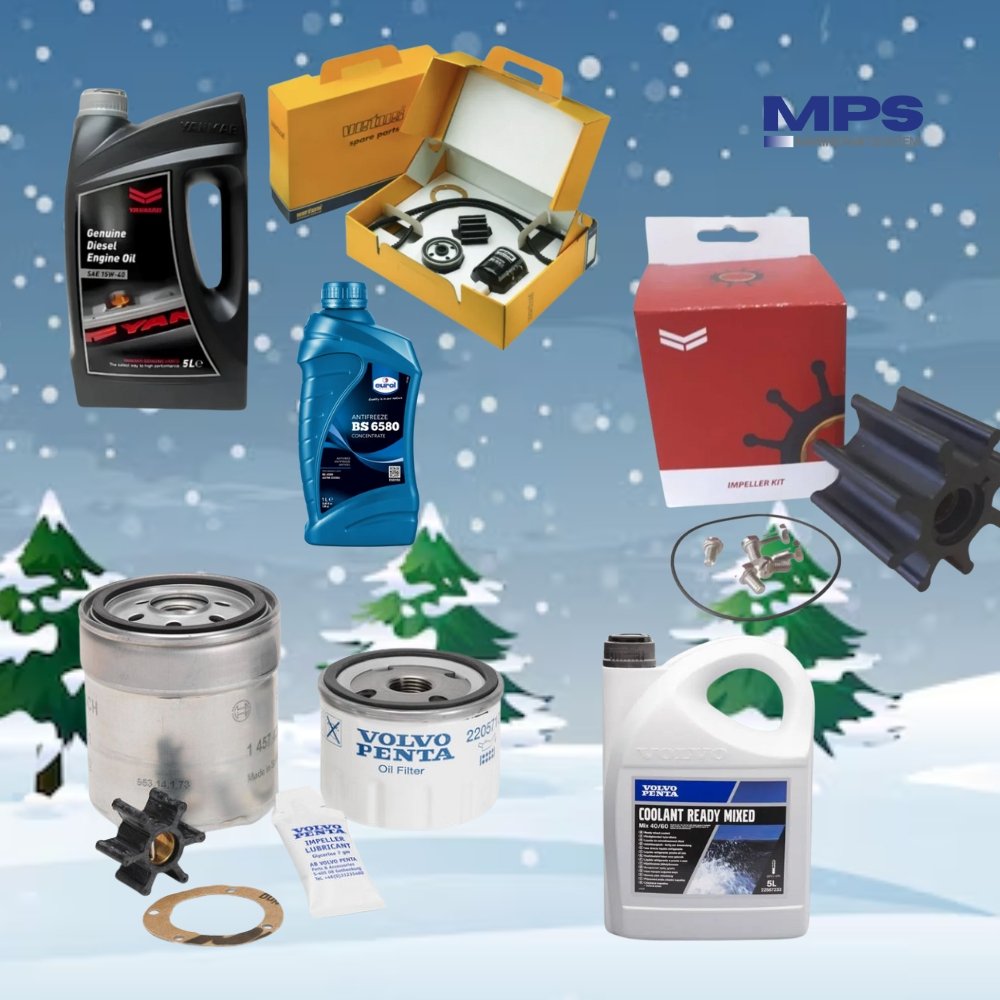
    Many boat owners think maintenance is only necessary for heavily used engines. However, engines that run infrequently—whether it’s a Volvo Penta, Yanmar, Vetus, Nanni, or Sole—can experience more wear and tear than you might expect. Inactivity can be just as damaging as constant use.

    Why Infrequently Used Engines Are Vulnerable

    • Higher wear with low usage: Engines that run sporadically, including popular brands like Volvo Penta and Yanmar, often develop extra wear on moving parts. Limited oil circulation and old oil reduce lubrication, increasing friction.
    • Corrosion and rust: Saltwater, humidity, and condensation can attack components even when your Vetus, Nanni, or Sole engine sits idle.
    • Fuel problems: Gas or diesel can degrade over time, clogging fuel lines, filters, or injectors.
    • Starting issues: Engines that sit unused for long periods can be difficult to start, putting extra stress on the starter and related parts.

    Maintenance Tips for Infrequent Use

    • Run the engine regularly: Even if it’s just once a month, run your Volvo Penta, Yanmar, Vetus, Nanni, or Sole engine with coolant circulation to distribute oil and prevent rust.
    • Stabilize the fuel: Use a fuel stabilizer for periods of inactivity.
    • Change oil and filters: Follow manufacturer-recommended service intervals, regardless of hours logged.
    • Check the cooling system: Flush the engine after use—especially in saltwater—to prevent scale and corrosion.
    • Battery care: Keep the battery charged and check it regularly.

    Long-Term Benefits of Regular Maintenance

    • Reduced risk of costly repairs.
    • Reliable starting even after long periods of inactivity.
    • Longer engine life for all brands, including Volvo Penta, Yanmar, Vetus, Nanni, and Sole.
    • Maintains the resale value of your boat.

    Conclusion

    Engines that run infrequently often require more maintenance to prevent wear and breakdowns. Keeping your Volvo Penta, Yanmar, Vetus, Nanni, or Sole engine in good shape ensures reliability, saves money, and gives you peace of mind on the water.

    © 2025 MPS Care Tips

  • How to Find the Part You Need for Your Volvo Penta

    How to Find the Part You Need for Your Volvo Penta

    How to Find the Part You Need for Your Volvo Penta | MPS Guide

    How to Find the Part You Need for Your Volvo Penta

    Finding the right Volvo Penta part doesn’t have to be complicated. Whether you’re looking for a Volvo Penta impeller, oil filter, injector, or another marine engine component, this guide will walk you through the easiest way to identify and order the correct OEM part for your engine.

    🔎 Step 1: Identify What Part You Need

    Start by determining which part you’re searching for. Commonly replaced Volvo Penta parts include:

    • Water pump impeller
    • Oil filter
    • Fuel injector
    • Drive belt
    • Fuel or air filter
    • Anodes and seals

    Knowing the exact part type will help narrow your search quickly and avoid compatibility mistakes.

    ⚙️ Step 2: Confirm Your Volvo Penta Engine Model

    Next, you need to verify your engine or drive model. The model information is typically found on the engine’s identification plate or on your product registration documents. Common examples include D1-30, D2-55, MD22, and TAMD41.

    This step is crucial because each model can have different part numbers or sizes, even for similar components like filters or impellers.

    💡 Step 3: Search for Your Part on Our Website

    On our home page, you can easily search for your Volvo Penta part using our smart catalog:

    1. Select your brand — in this case, Volvo Penta.
    2. Choose the part category (e.g., filters, impellers, injectors).
    3. Select your engine model from the dropdown list.

    A detailed list of compatible parts will appear, allowing you to find exactly what you need quickly.

    🔢 Step 4: Can’t Find Your Part? Identify the Part Number

    If you still can’t find your part after searching, you can locate the exact Volvo Penta part number using the official catalog:

    Go to volvopenta.com/shop and follow these steps:

    • Search for your engine model.
    • Choose the relevant function group (e.g., cooling system, fuel system, electrical).
    • Click on the part you need — the catalog will show the part number and diagram for reference.

    Once you have the correct part number, you can return to our website and search for it directly to order.

    📞 Step 5: Still Can’t Find What You’re Looking For?

    If you’ve followed all the steps and still can’t locate your part, our team is here to help. Simply contact us with your engine model and a description or photo of the part you need. We’ll quickly identify it and provide you with the correct OEM replacement.

    At MarinePartSystem (MPS), we make it easy to find, verify, and order the right Volvo Penta parts to keep your engine performing at its best.

  • Volvo Penta D2 Series Maintenance & Common Faults

    Volvo Penta D2 Series Maintenance & Common Faults

    Volvo Penta D2 series Maintenance: Complete Guide to Service & Common Faults

    Volvo Penta D2 Maintenance: Complete Guide & Common Faults

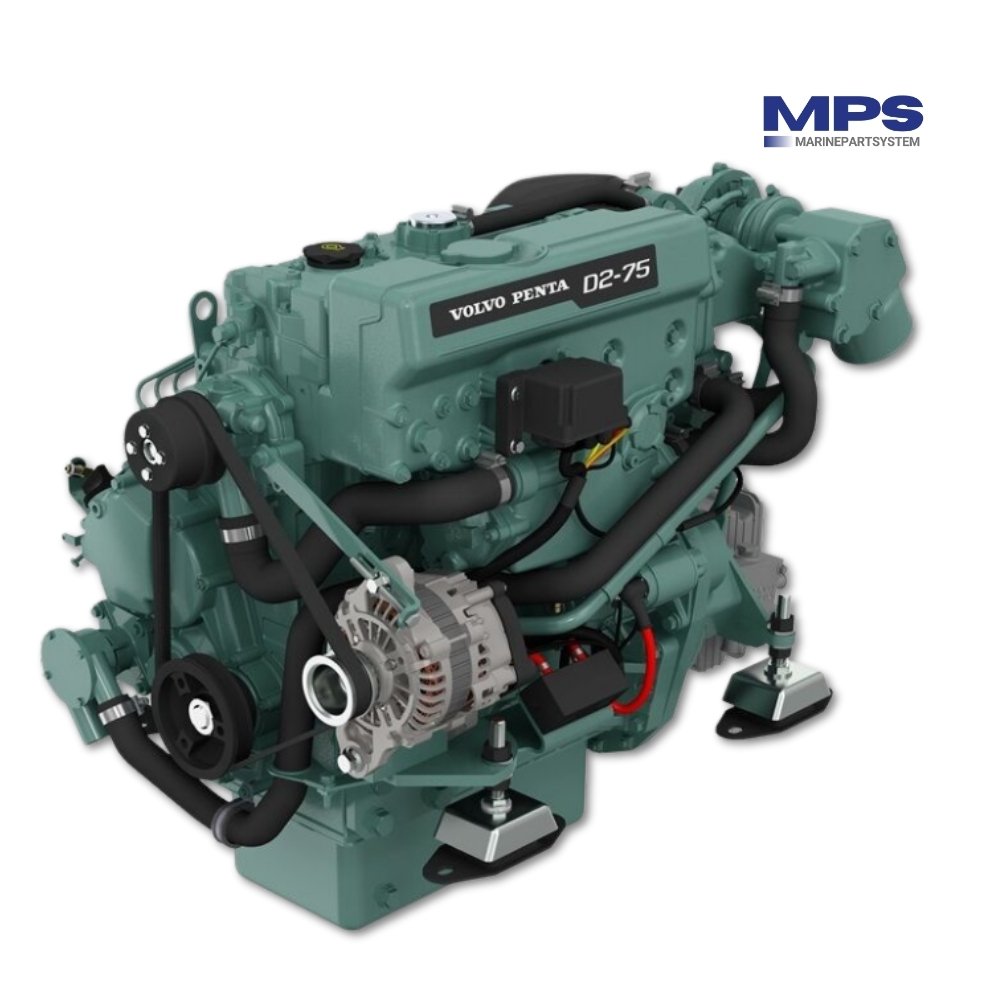
    Volvo Penta D2 maintenance is essential to keep your marine diesel engine running efficiently and reliably. The D2 series, including D2-40, D2-50, D2-55, D2-60, and D2-75, is widely used in recreational and commercial boats due to its fuel efficiency and longevity. However, neglecting regular servicing or using non-OEM parts can lead to common faults such as overheating, impeller failure, MDI unit issues, and corrosion. This guide will provide comprehensive maintenance instructions, troubleshooting tips, seasonal care advice, and OEM part recommendations from MPS.

    ⚙️ Routine Maintenance for Volvo Penta D2 Engines

    Maintaining your Volvo Penta D2 engine on a regular schedule ensures longevity and optimal performance. Key maintenance tasks include:

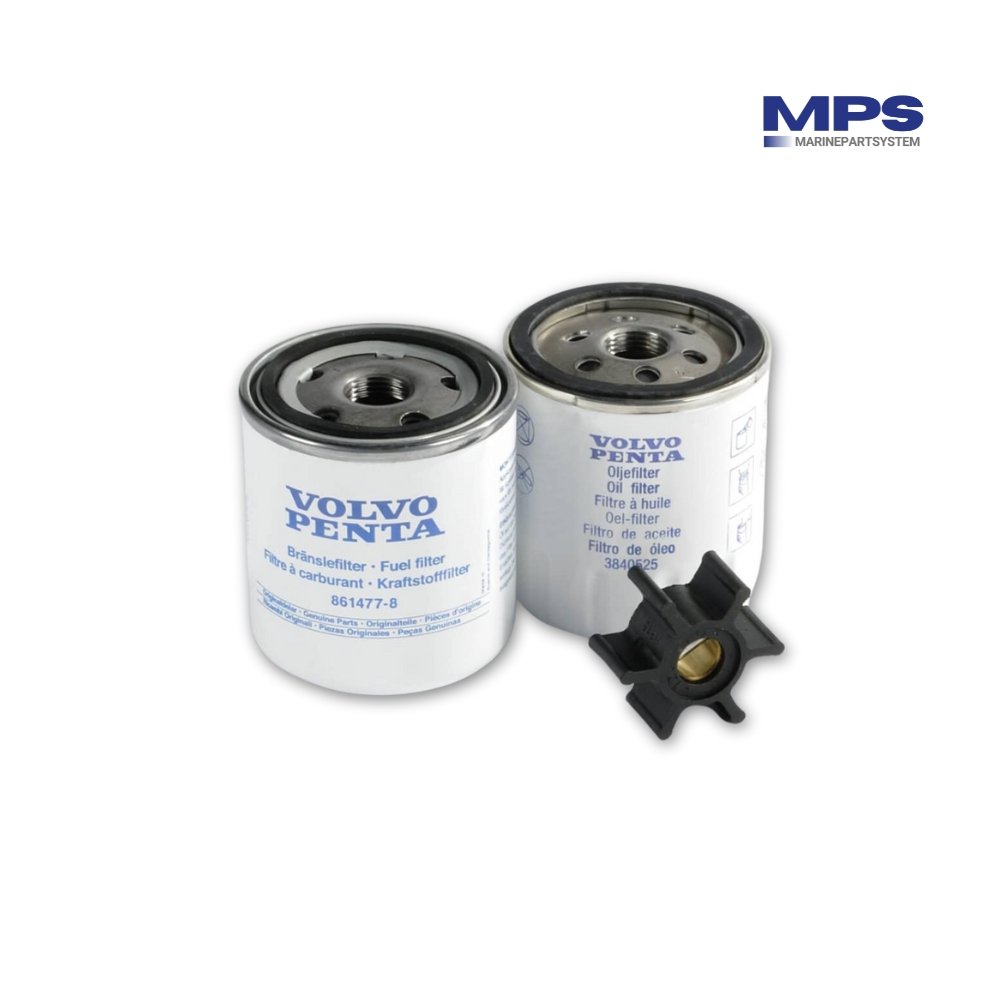
    • Engine Oil & Filter: Replace every 200 hours or annually. Always use VDS-4.5 approved oil and OEM filter MPS-3840525. Check the oil level weekly to prevent engine wear.
    • Fuel System: Replace the primary filter (MPS-861477) and secondary filter (MPS-3581078) every 200 hours. Always bleed air from fuel lines after replacement to prevent hard starting and stalling.
    • Impeller: Inspect annually or every 200 hours. Replace using MPS-21951346 if signs of wear appear. A properly functioning impeller ensures adequate raw water flow to cool the engine.
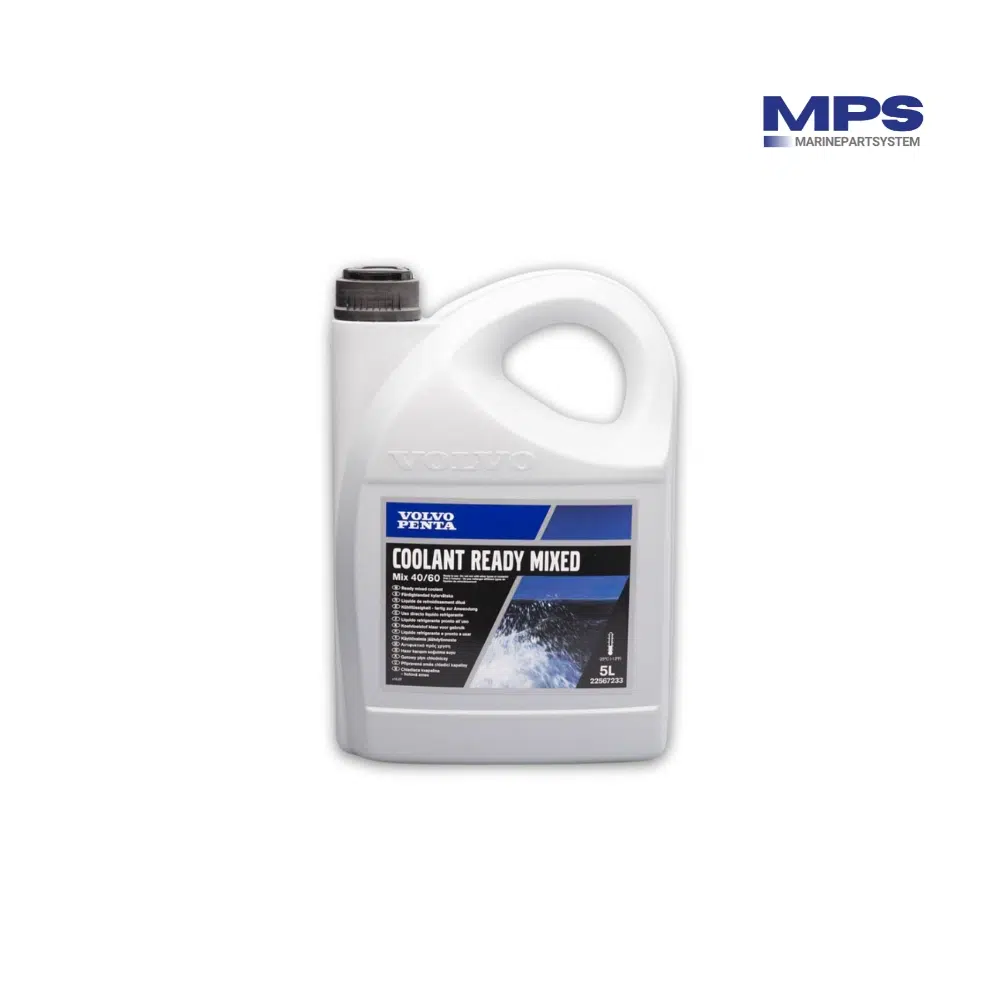
    • Coolant: Flush and refill every 2–4 years with OEM green coolant (MPS-22567233). Check expansion tank levels and hoses monthly for leaks or corrosion.
    • Belt & Air Intake: Inspect belts for cracks, fraying, or improper tension. Clean air intake and turbo inlet (if applicable) to ensure efficient combustion.
    • Electrical Systems: Check battery connections, fuses, and MDI unit status regularly to prevent starting issues.

    🧰 Recommended Volvo Penta D2 Service Kits

    Using OEM service kits simplifies maintenance and guarantees reliability. Recommended kits include:

    Volvo Penta D2-50 to D2-75 engine service kit with filters and gaskets

    Service Kit D2-50/55/60/75

    Buy Now
    Volvo Penta D2-40 engine service kit with filters and gaskets

    Service Kit D2-40

    Buy Now

    ⚠️ Common Faults in D2 Engines

    • MDI Unit Issues: No-start or intermittent shutdown; see full MDI guide.
    • Overheating: Caused by blocked raw water intake, worn impeller, low coolant, or belt issues.
    • Hard Starting: Often due to air in fuel lines or clogged filters.
    • Charging Problems: Check alternator, belt tension, and electrical connections.
    • Corrosion & Scaling: Regularly check anodes, flush the cooling system, and use OEM coolant to prevent rust.

    🔍 Step-by-Step Troubleshooting & Maintenance Tips

    • Check and replace the impeller annually or if raw water flow decreases.
    • Test coolant freeze protection with a refractometer.
    • Bleed fuel system after filter replacement to eliminate air pockets.
    • Check belts and tension regularly; replace if cracked or worn.
    • Inspect electrical connections and MDI unit functionality before each season.
    • Clean air intake and turbo inlets to maintain optimal combustion.

    🌊 Seasonal & Storage Tips

    • Winterize engines with coolant flush and corrosion inhibitors.
    • Store in a dry, ventilated area; disconnect battery or use a trickle charger.
    • Lubricate moving parts such as throttle linkages and control cables.
    • Inspect hoses, clamps, and anodes before storing for extended periods.

    ❓ Frequently Asked Questions

    • How often should I service my D2 engine? – Every 100 hours or annually, whichever comes first.
    • Can I mix different coolant types? – No, always use OEM-specified Volvo Penta coolant to prevent sludge formation.
    • What are the most common faults? – Impeller failure, overheating, fuel line air locks, and MDI issues.
    • Are aftermarket filters safe? – OEM parts are recommended for reliability, engine protection, and warranty compliance.
    • Why use a full service kit? – Saves time, ensures all components meet OEM specs, and maintains warranty coverage.

    Following these Volvo Penta D2 maintenance guidelines, using OEM parts, and performing regular inspections will maximize engine life, reduce downtime, and ensure safe boating. For convenience, MPS offers all essential service kits, filters, and accessories tailored for the D2 series engines.

  • Volvo Penta Coolant: Complete Guide to Maintenance, Replacement & Purchase

    Volvo Penta Coolant: Complete Guide to Maintenance, Replacement & Purchase

    Volvo Penta Coolant: Complete Guide to Maintenance, Replacement & Purchase

    Volvo Penta coolant is essential for keeping your marine engine running efficiently and avoiding costly repairs. Using the correct coolant type, maintaining proper levels, and replacing it on time ensures your engine avoids overheating, corrosion, and sludge formation. This guide will provide everything you need to know about Volvo Penta coolant, including types, replacement schedules, maintenance tips, troubleshooting, safety, and where to purchase high-quality products from MPS.

    💧 Why Volvo Penta Coolant is Essential

    Coolant is more than just a liquid that keeps your engine from overheating. A properly maintained system with the right Volvo Penta coolant ensures:

    • Prevention of overheating and cavitation, protecting pumps, hoses, and the engine block.
    • Protection against corrosion in the engine block, heat exchanger, pipes, and water pump.
    • Lubrication of the water pump to ensure smooth circulation.
    • Optimal temperature control, raising the boiling point and lowering the freezing point to handle extreme climates.

    🔬 What is Volvo Penta Coolant and How It Works

    Volvo Penta coolant is a mixture of water and ethylene glycol or propylene glycol combined with advanced additives to protect your engine. Additive types include:

    • IAT (Inorganic Additive Technology)
    • OAT (Organic Additive Technology)
    • HOAT (Hybrid Organic Additive Technology)

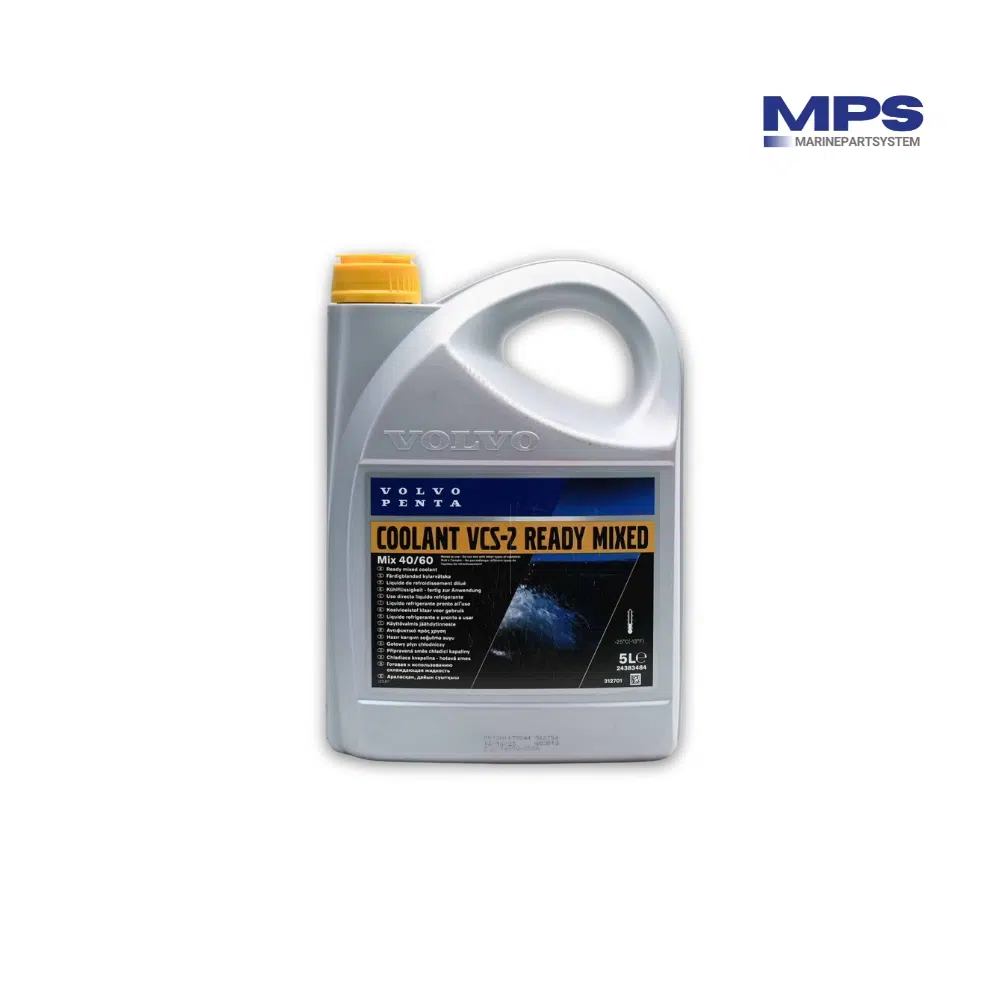
    Volvo Penta OEM-approved types include VCS-2 Yellow and Ready-Mixed Green, specifically formulated to protect marine engines in harsh environments. Using the correct type ensures long-lasting protection against rust, cavitation, and overheating.

    🧪 How to Choose the Right Volvo Penta Coolant

    • Always follow the OEM specification listed on your engine plate or manual.
    • Never mix incompatible coolant types, especially OAT with EG-based coolant, to avoid sludge formation.
    • Color alone is not a reliable indicator of coolant type.
    • Consider your climate and frost protection needs (-25°C to -36°C).
    • Volvo Penta ready-mixed coolants are pre-diluted; no additional mixing is required.
    • When in doubt, always consult a certified marine mechanic.

    ⏱ When and How Often to Replace Volvo Penta Coolant

    Replace Volvo Penta coolant every 2–4 years, depending on engine usage. Immediate replacement is required if you notice:

    • Rust or corrosion in the coolant system
    • Sludge, deposits, or discolored liquid
    • Unknown coolant type or previous improper maintenance

    Mixing incompatible types can lead to extreme sludge formation, damaging the engine irreversibly. Regular maintenance ensures optimal cooling system performance and extends engine life.

    🛠 Step-by-Step: Checking and Refilling Volvo Penta Coolant

    • Always check coolant level with a cold engine.
    • Inspect expansion tank levels (MIN–MAX).
    • Measure freezing point using a refractometer or hydrometer.
    • Refill with the same specification and proper dilution.
    • Bleed the system: open high points, run engine, and recheck levels.

    Following these steps helps maintain correct cooling system pressure and ensures proper circulation throughout the engine.

    ⚠️ Using the Wrong Coolant

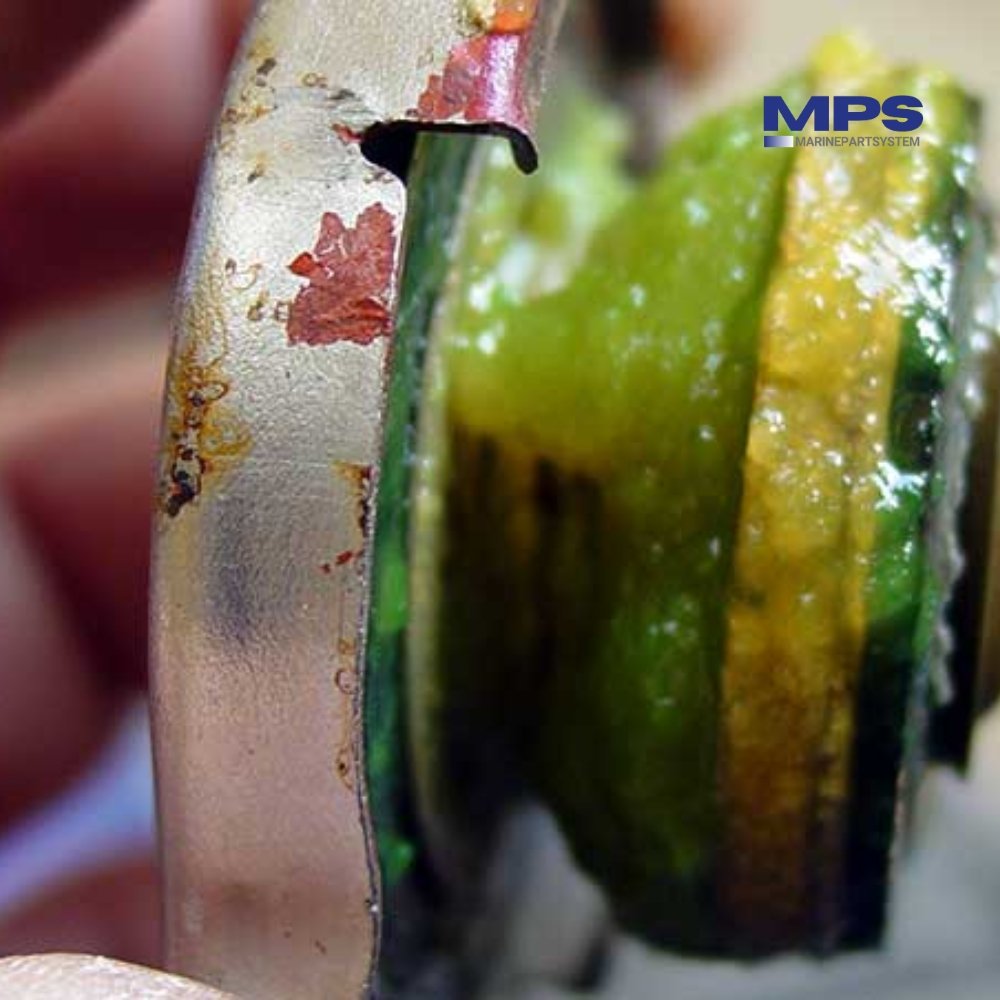
    Using the wrong coolant or mixing incompatible types can cause sludge, corrosion, and overheating. Here’s an example of coolant mixed incorrectly:

    Coolant mixed incorrectly

    🛒 Buy Volvo Penta Coolant at MPS

    Shop OEM-approved Volvo Penta coolant directly from MPS for all engine models. Our products include:

    Volvo Penta Green Coolant

    Volvo Penta Coolant Green

    Buy Now
    Volvo Penta VCS-2 Yellow Coolant

    Volvo Penta VCS-2 Yellow Coolant

    Buy Now
    Alternative Yellow Coolant

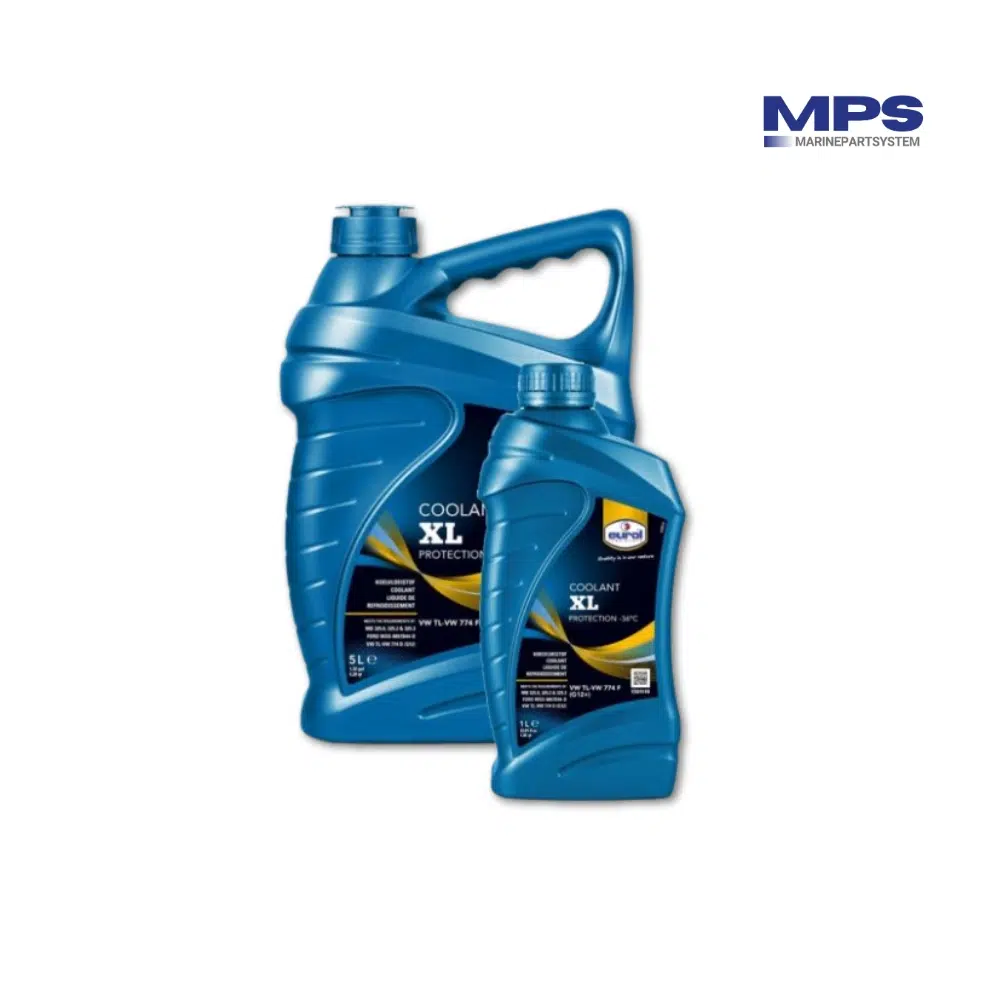
    Eurol Coolant XL -36°C Yellow

    Buy Now

    ❓ Frequently Asked Questions

    • Can I mix green and yellow coolant? – No, always flush the system first before changing coolant types.
    • Is color the same as specification? – No, always follow OEM specification.
    • How do I measure freezing point? – Use a refractometer or hydrometer for accuracy.
    • What if I don’t know what coolant is inside? – Flush the system and refill with the correct Volvo Penta coolant.

    🌿 Safety, Environment & Warranty

    • Always use a proper container when draining old coolant.
    • Never dispose of coolant in bilges, soil, or waterways; treat as chemical waste.
    • Incorrect coolant use may void engine warranty. Follow manufacturer guidelines.

    By following this comprehensive guide and using the correct Volvo Penta coolant, you can ensure your marine engine operates at peak performance for years, avoid costly repairs, and maintain safe operation in all conditions.

  • Become a B2B Client with MarinePartSystem (MPS)

    Become a B2B Client with MarinePartSystem (MPS)

    Become a B2B Client with MarinePartSystem (MPS)

    At MarinePartSystem (MPS), we specialize in providing high-quality marine engine parts to businesses across the industry. Our mission is to support marine service providers, dealers, and fleet operators with reliable products, competitive pricing, and dedicated service.

    Benefits of a B2B Partnership with MarinePartSystem

    • Discounted Pricing – Access special rates across our full product catalog.
    • Efficient Procurement – Simplified ordering processes tailored for businesses.
    • Reliable Supply Chain – Consistent availability of parts to minimize downtime.
    • Dedicated Account Support – Assistance from our team to ensure accuracy and efficiency in every order.

    Apply to Become a B2B Client

    Organizations that wish to take advantage of these benefits may submit an application through the following link:

    👉 Apply Here to Become a B2B Client

    Applications are normally reviewed within 1–2 working days. If you require faster processing, please contact us directly via WhatsApp:

    💬 Contact Us on WhatsApp

    Once approved, your company will receive immediate access to discounted pricing and a dedicated support structure designed to enhance your procurement process.


    MarinePartSystem (MPS) is committed to building long-term relationships with our business partners. We look forward to supporting your company with reliable parts and professional service.

  • Vetus Engine Service: Complete Guide to Maintenance, Parts & Kits

    Vetus Engine Service: Complete Guide to Maintenance, Parts & Kits

    Vetus Engine Service: Complete Guide to Maintenance, Parts & Kits

    Servicing your Vetus engine is essential for keeping your boat reliable, efficient, and safe on the water. Routine maintenance not only prevents breakdowns but also extends the lifespan of your engine. This guide covers everything you need to know about Vetus engine servicing, including service intervals, step-by-step checklists, recommended parts and service kits, essential oils and additives, and when to consider a complete engine replacement. All genuine Vetus products are available from MPS.

    ⏱ When to Service a Vetus Engine

    Regular service intervals are crucial. Most Vetus engines require a full service every 100 running hours or at least once a season. Immediate service may be required if you notice:

    • Unusual noises or vibrations
    • Hard starting or loss of power
    • Smoke from the exhaust
    • Leaking fluids (oil, fuel, coolant)

    🛠 Vetus Engine Service Checklist

    • Change engine oil & filter – Warm up engine, drain oil, replace filter, refill with marine-grade oil.
    • Replace fuel filters – Swap both primary and secondary filters, bleed air from fuel system.
    • Inspect cooling system – Replace raw water impeller, check coolant levels, inspect hoses & clamps.
    • Check belts – Inspect alternator & pump belts for cracks or glazing, replace if worn.
    • Electrical checks – Test battery, inspect wiring for corrosion, confirm smooth throttle/gear operation.
    • Final test run – Start engine, check for leaks, confirm oil pressure & water flow.

    📦 Vetus Service Parts & Kits

    Using the right parts ensures reliable servicing. Genuine Vetus service parts include:

    • Oil filters
    • Fuel filters
    • Raw water impellers & gaskets
    • Belts & tensioners
    • Thermostats & zinc anodes

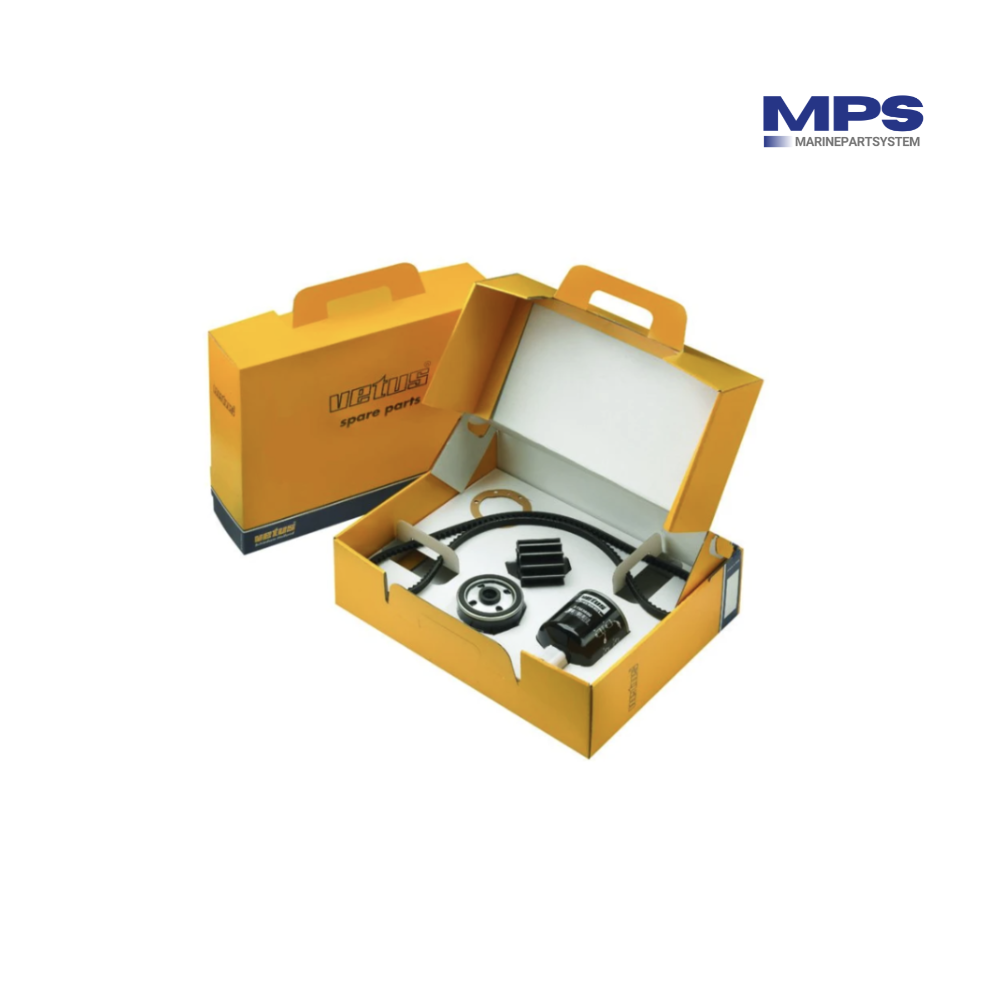
    For convenience, you can also buy complete service kits. These bundles include filters, impellers, gaskets, and seals in one package—making maintenance easier and reducing the chance of missing a part.

    💧 Oils, Liquids & Additives

    Marine engines demand the correct fluids. Vetus-approved oils and additives are specially formulated to protect in harsh conditions:

    • Engine oil – Correct SAE grade, marine-rated.
    • Gear oil – For transmissions and gearboxes.
    • Coolant – Protects against corrosion and overheating.
    • Fuel additives – Stabilizers, biocides, injector cleaners.
    • Marine grease – For linkages, seals, and moving parts.

    🔄 When to Replace Instead of Repair

    Sometimes servicing is not enough, and replacing the engine is the smarter choice. Consider a new Vetus engine if:

    • The engine has severe internal damage (cracked block, failed crankshaft).
    • Repairs are frequent and costly.
    • Spare parts are no longer available.
    • Corrosion has compromised structural integrity.
    • You want improved performance or fuel efficiency.

    🛒 Key Vetus Parts You Can Order Now

    Here are some essential parts you can link directly to from your blog:

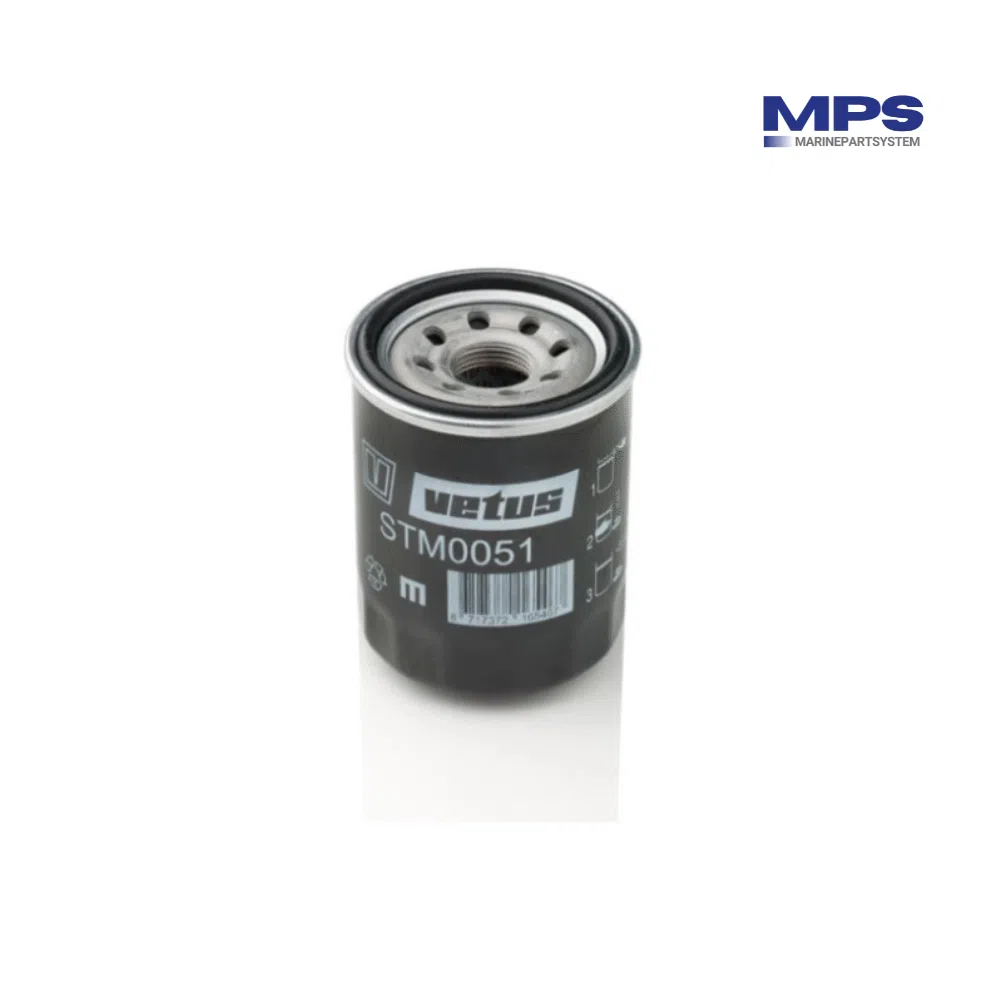
    Vetus Oil Filter STM0051

    Vetus Oil Filter STM0051

    Buy Now
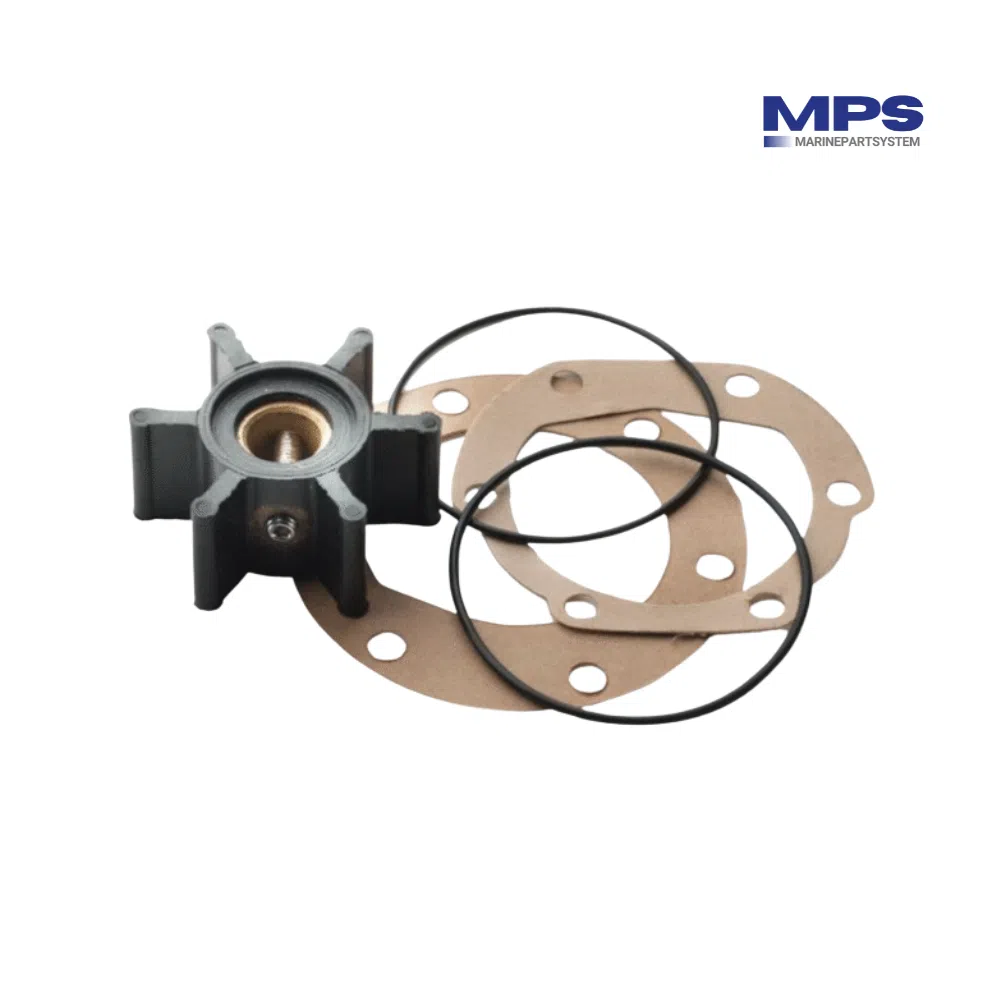
    Vetus Impeller STM8076

    Vetus Impeller STM8076

    Buy Now
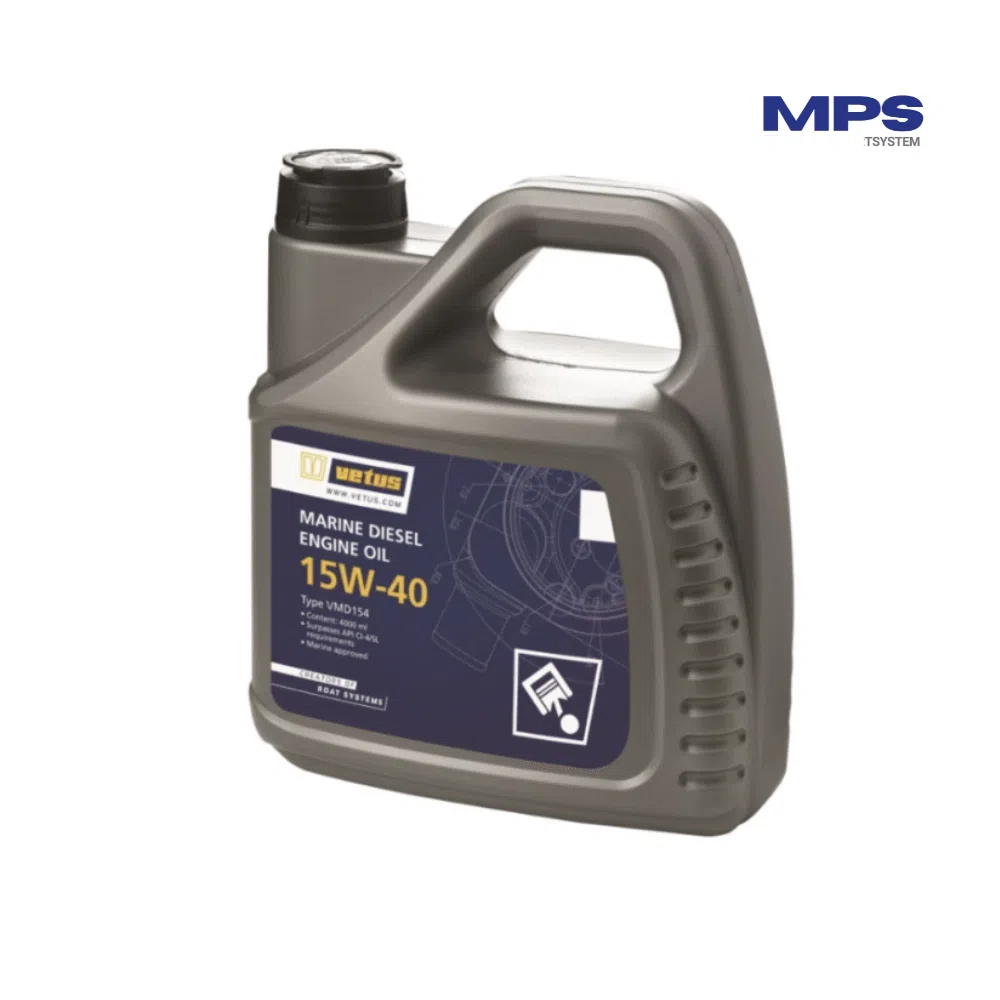
    Vetus 15W-40 Oil

    Vetus 15W-40 Oil

    Buy Now

    By following this guide and using genuine Vetus parts, kits, and fluids, you can keep your marine engine reliable, efficient, and ready for every voyage.

  • When to Replace Engine Mounts | Ellebogen Engine Mounts for Marine Engines

    When to Replace Engine Mounts | Ellebogen Engine Mounts for Marine Engines

    When to Replace Engine Mounts — Ellebogen Marine Engine Mounts Guide

    When to replace engine mounts is one of the most common questions among boat owners. Engine mounts are vital for securing the engine, reducing vibrations, and keeping the propulsion shaft aligned. Over time, even the strongest marine engine mounts lose elasticity and must be replaced. In this guide, Ellebogen shares expert recommendations on lifespan, warning signs, and why choosing Ellebogen engine mounts gives you a longer-lasting, cost-effective solution.

    ⏱ How Long Do Engine Mounts Last?

    According to Ellebogen and leading manufacturers, marine engine mounts should be replaced every 1,000 operating hours or every 4 years. In normal conditions, Ellebogen’s high-quality engine mounts often last between 5 and 7 years. However, heavy seas, constant use, or oil and diesel contamination can shorten this period. Preventive replacement avoids expensive repairs to shafts, couplings, and surrounding parts.

    ⚠️ Signs It’s Time to Replace Engine Mounts

    If you notice these symptoms, your mounts may already be worn and require immediate replacement:

    • Strong vibrations throughout the cabin, especially at idle
    • Engine movement when starting, shutting down, or in rough seas
    • Clunking or impact noises as the engine shifts
    • Visible damage such as cracks, hardening, or separation of rubber and metal
    • Corrosion on mounting plates and hardware
    • Loss of elasticity, reducing vibration absorption

    These are clear indicators of when to replace engine mounts before greater damage occurs.

    🔍 Maintenance & Inspection Tips

    To extend the life of your marine engine mounts, Ellebogen recommends routine checks:

    • Inspect rubber regularly for cracks or deformation
    • Look for oil or diesel contamination on the mounts
    • Check for corrosion on metal surfaces
    • Ensure alignment remains correct to prevent shaft stress
    • Verify hardness numbers stamped on mounts for correct replacements

    Including mount checks in seasonal maintenance helps you catch problems early and sail with confidence.

    ⚙️ Best Practices for Replacing Engine Mounts

    When it’s time to install new mounts, Ellebogen advises the following best practices:

    • Always replace all engine mounts together
    • Allow the engine to settle for 48 hours before full load use
    • Match the height of new mounts to old ones to maintain shaft alignment
    • Use proper mounting hardware and ensure bolts are securely fastened
    • Keep leveling differences within manufacturer tolerances (approx. 7 mm)

    Correct installation ensures long-lasting stability and prevents secondary damage.

    ✅ Why Choose Ellebogen Engine Mounts?

    Ellebogen engine mounts are engineered specifically for marine conditions. They offer:

    • Superior bonding between rubber and metal
    • Corrosion-resistant coatings for saltwater durability
    • Exact stiffness ratings to meet OEM requirements
    • Service life of 5–7 years under normal conditions
    • Better value — premium quality at a lower price

    For boat owners asking when to replace engine mounts, Ellebogen provides the answer: replace them on time and upgrade to better-quality mounts for peace of mind.

    🛒 Shop Ellebogen Marine Engine Mounts

    If you’re experiencing vibration, noise, or movement, it’s time to replace your marine engine mounts. Trust Ellebogen engine mounts for durability, precision, and long service life — all at a better price.

    Shop Engine Mounts

  • Winterize Your Boat | Service Parts for Vetus, Volvo Penta, Nanni & Yanmar

    Winterize Your Boat | Service Parts for Vetus, Volvo Penta, Nanni & Yanmar

    Winterize Your Boat with Service Parts for Vetus, Volvo Penta, Nanni and Yanmar

    When the boating season ends and temperatures begin to drop, it’s time to winterize your boat. Taking the proper steps now protects your marine engine, prevents costly repairs, and ensures you can enjoy a stress-free start when spring arrives. In this guide, you’ll discover why winterizing is essential, a detailed maintenance checklist, and how to easily find service parts for Vetus, Volvo Penta, Nanni, and Yanmar engines.

    ❄️ Why It’s Important to Winterize Your Boat

    Skipping winterization can cause serious problems for your boat. When water freezes inside cooling systems, it expands and can crack engine blocks. Fuel left untreated can develop bacteria and clog filters. Batteries left unattended may discharge and fail to recharge in spring. By winterizing, you protect your investment, reduce long-term maintenance costs, and extend the life of your marine engine.

    • Protect against engine damage caused by freezing and inactivity
    • Prevent fuel contamination and clogged injectors
    • Ensure reliable performance when the new season starts
    • Save money on repairs by replacing small parts before they fail

    🛠️ Step-by-Step Boat Winter Maintenance Checklist

    To winterize your boat properly, follow these essential steps:

    • Engine preparation: Flush the engine with antifreeze, change the oil, and replace filters to avoid corrosion and wear.
    • Fuel system care: Top off your tank with fresh fuel and add a conditioner to prevent bacteria growth. Replace the fuel filter if needed.
    • Battery maintenance: Fully charge your battery, disconnect it, and store it in a warm, dry place.
    • Replace wear parts: Check impellers, anodes, and gaskets. Replacing them now prevents costly spring breakdowns.
    • Cooling & exhaust check: Inspect hoses, clamps, and seals for cracks or leaks. Replace any parts showing signs of wear.

    ⚙️ Service Parts for Top Marine Brands

    Whether you own a sailing yacht, a powerboat, or a commercial vessel, using the right parts is key to reliable performance. We stock high-quality service parts for the world’s most trusted marine brands:

    Vetus • Volvo Penta • Nanni • Yanmar

    From impellers and anodes to complete service kits, you’ll find everything you need to keep your engine running smoothly all winter long.

    ✅ Benefits of Winterizing with OEM-Quality Parts

    • Prevent breakdowns and expensive repairs
    • Extend the lifespan of your marine engine
    • Ensure precise fit and performance with OEM-quality parts
    • Get peace of mind knowing your boat is protected during storage

    🛒 Find the Right Service Parts

    Looking for parts to winterize your boat? Browse our Service Parts section and search by brand to find the exact components you need for Vetus, Volvo Penta, Nanni, or Yanmar engines.

    Go to Service Parts

  • Complete Yanmar 2GM20 & 3GM30 Gasket Kits

    Complete Yanmar 2GM20 & 3GM30 Gasket Kits

    Complete Yanmar 2GM20 & 3GM30 Gasket Kits

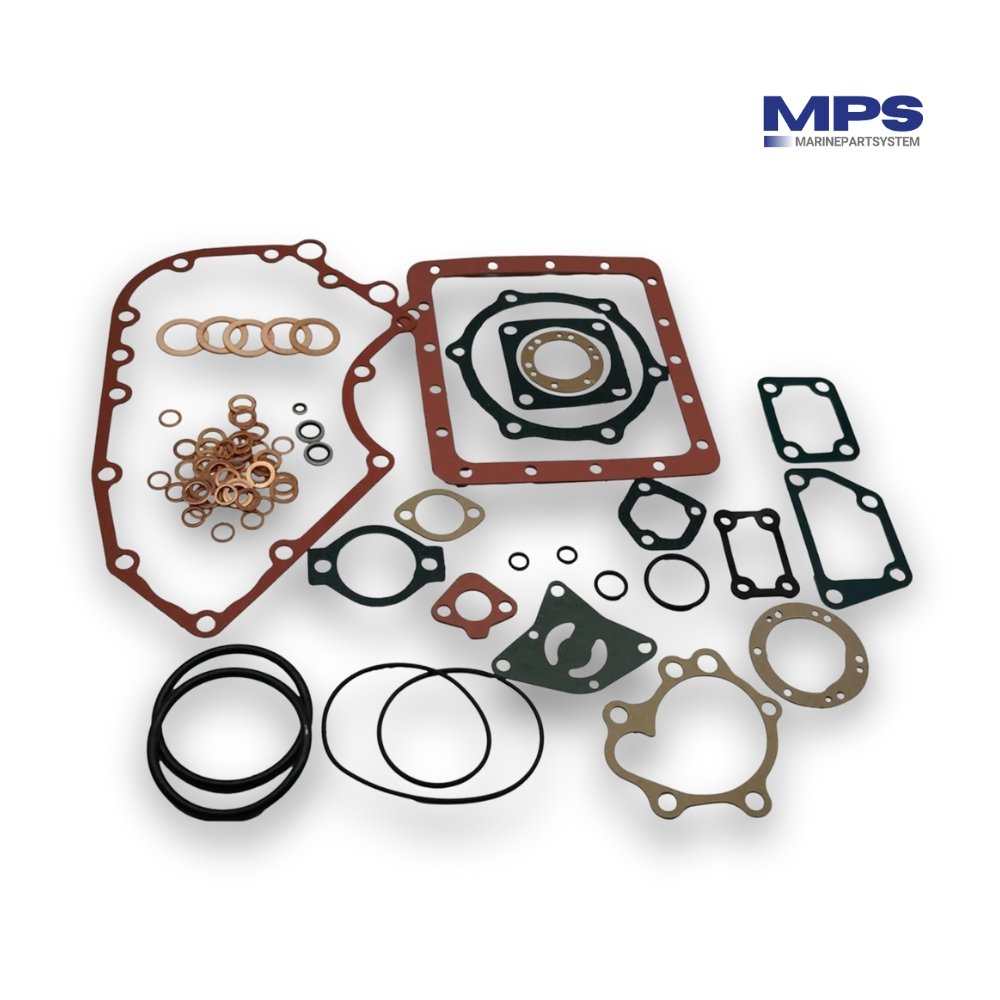
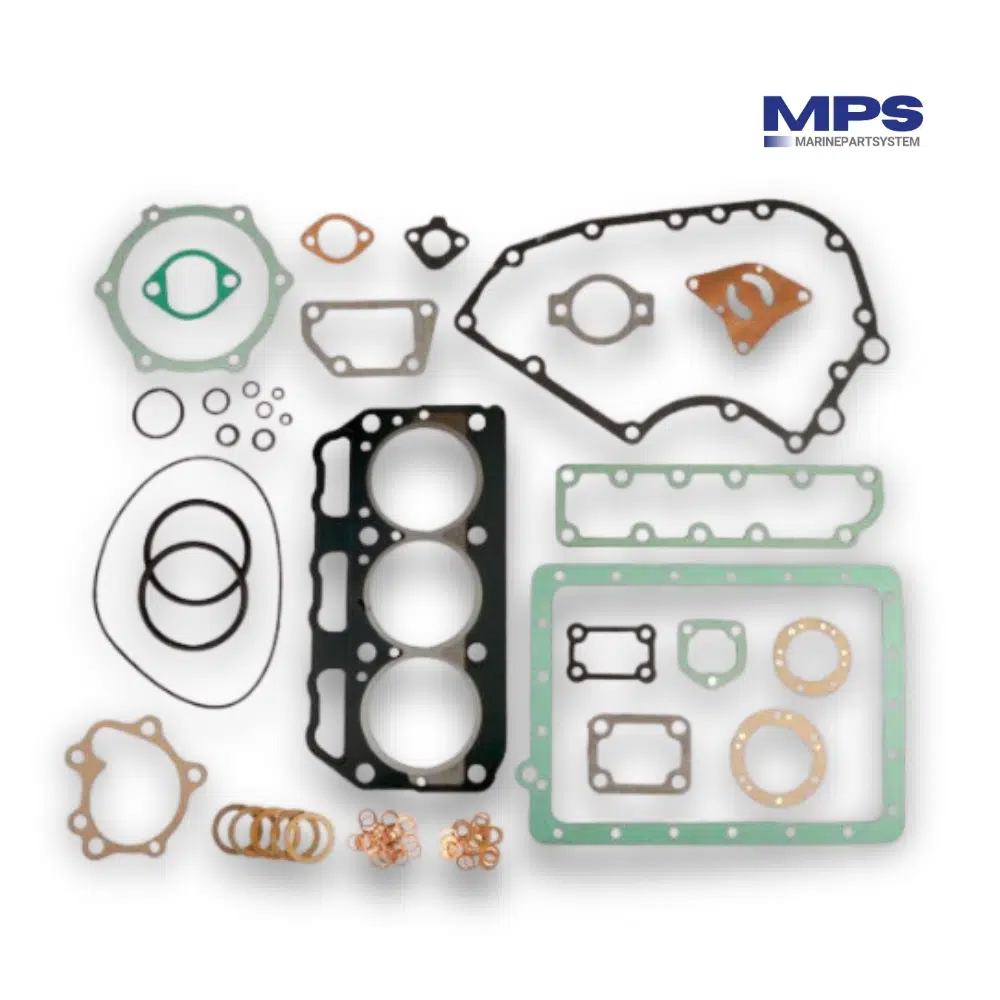
    Keep your Yanmar 2GM20 and 3GM30 engines running smoothly with aftermarket gasket kits crafted to OEM quality standards. These kits include all the seals and gaskets you need for maintenance, repairs, or a full engine rebuild, ensuring leak-free performance and reliable operation. Learn more about Yanmar engines on the official Yanmar website.

    🔧 Overview of Yanmar 2GM20 & 3GM30 Engines

    The Yanmar 2GM20 and 3GM30 are trusted marine diesel engines used in sailboats, small powerboats, and generators. Regular maintenance and proper sealing are essential to maintain their reliability and efficiency. High-quality aftermarket gasket kits provide all the components necessary to keep your engine running smoothly and prevent leaks.

    📦 What’s Included in the Complete Gasket Kits

    Yanmar 2GM20 / 2GM20F Aftermarket Gasket Kit (Part 728271-92605):

    • Cylinder head gasket
    • Valve cover gasket
    • Exhaust manifold gasket
    • Exhaust elbow gasket
    • Intake manifold gasket
    • Thermostat housing gasket
    • Various rubber seals
    • Copper washers
    • Timing cover gasket
    • Oil pan gasket
    • Heat exchanger gaskets

    Yanmar 3GM30 / 3GM30F Aftermarket Gasket Kit (Part 728374-92605):

    • Cylinder head gasket
    • Valve cover gasket
    • Exhaust manifold gasket
    • Exhaust elbow gasket
    • Intake manifold gasket
    • Thermostat housing gasket
    • Various rubber seals
    • Copper washers
    • Timing cover gasket
    • Oil pan gasket
    • Heat exchanger gaskets

    ✅ Why Choose OEM Quality Aftermarket Kits

    These aftermarket kits are manufactured to meet or exceed OEM specifications, ensuring:

    • Precise fit and reliable sealing
    • Engine performance and longevity comparable to original parts
    • Leak prevention and protection against costly engine damage
    • High-quality materials at a more affordable price than OEM

    🛠️ Installation Tips

    • Clean all mating surfaces thoroughly before installation.
    • Replace all gaskets during major engine work to ensure consistent sealing.
    • Follow proper torque specifications for cylinder head and manifold bolts.
    • Inspect rubber seals and copper washers; replace any damaged components.

    🛒 Shop Yanmar Gasket Kits

    Yanmar 2GM20 Gasket Kit

    Yanmar 2GM20 / 2GM20F Gasket Kit

    Aftermarket kit, OEM quality – includes cylinder head, manifolds, oil pan, and more

    View Kit

    Yanmar 3GM30 Gasket Kit

    Yanmar 3GM30 / 3GM30F Gasket Kit

    Aftermarket kit, OEM quality – includes cylinder head, manifolds, oil pan, and more

    View Kit

    Not sure which kit fits your engine? Contact us and we’ll guide you to the right gasket set.

  • Volvo Penta MD Series Maintenance Guide – MD2010, MD2020, MD2030, MD2040

    Volvo Penta MD Series Maintenance Guide – MD2010, MD2020, MD2030, MD2040

    Volvo Penta MD Series Maintenance Guide – MD2010, MD2020, MD2030, MD2040

    Volvo Penta’s MD-series marine diesel engines are well-known for their durability and reliability in sailboats and other small craft. However, like all engines, they require regular maintenance to ensure smooth operation and avoid breakdowns. This guide covers essential service routines for the MD2010, MD2020, MD2030, and MD2040 models.

    🧰 Routine Maintenance Schedule

    • Every 50 hours: Check oil, coolant level, and belts
    • Every 100 hours: Change engine oil and oil filter, inspect impeller
    • Every 200 hours: Replace impeller, clean cooling system, check fuel system
    • Annually: Full inspection — filters, impeller, hoses, exhaust, and fuel lines

    🛢️ Engine Oil Change

    1. Warm the engine to thin the oil for easier extraction.
    2. Use an oil extractor pump through the dipstick tube.
    3. Remove and replace the old oil filter.
    4. Refill with SAE 15W-40 marine diesel oil.
    5. Start the engine and check for leaks.

    ⛽ Replacing Fuel Filters

    The MD series uses both a primary (pre-filter) and secondary (engine-mounted) fuel filter. Clean fuel is critical for engine longevity.

    1. Shut off fuel supply or close the tank valve.
    2. Replace the primary water-separating fuel filter.
    3. Replace the secondary spin-on fuel filter.
    4. Prime the system with the manual pump until fuel runs bubble-free from the bleed screw.

    💧 Raw Water Pump & Impeller

    1. Close the seacock to stop seawater intake.
    2. Open the water pump cover and remove the old impeller.
    3. Lubricate and install the new impeller (make sure vanes bend in the correct direction).
    4. Reassemble and check for proper water flow when engine runs.

    ❄️ Cooling System & Belt Check

    • Flush raw water circuit with white vinegar or descaler.
    • Inspect all hoses and clamps for aging or leaks.
    • Check belt tension — about 1 cm of deflection is ideal.

    🌬️ Exhaust System & Winterization

    • Inspect exhaust elbow for soot or salt corrosion.
    • Check that the water lock muffler is sealed and undamaged.
    • Before winter: change oil, drain cooling water, and treat fuel with stabilizer.

    ❓ Frequently Asked Questions

    1. How often should I change the impeller? Every 200 hours or annually.
    2. What if my MD engine overheats? Check for a blocked raw water intake or failed impeller.
    3. Can I use car filters instead? No — marine-rated filters are corrosion-resistant and vibration-tested.
    4. Do you offer service kits? Yes — scroll down for exact-fit kits for your MD engine.

    🛒 Maintenance Kits for Volvo Penta MD Series


    Service Kit MD2010 MD2020

    MD2010 / MD2020 Service Kit

    Includes oil filter, fuel filters, impeller, gaskets

    View Kit


    Service Kit MD2030 MD2040

    MD2030 / MD2040 Service Kit

    Includes oil filter, fuel filters, impeller, seals

    View Kit

    Not sure which kit fits your engine? Get in touch with us — we’ll guide you to the right one.