Author: MPS

  • Maintaining Your Volvo Penta D1 Series: A Complete Guide

    Maintaining Your Volvo Penta D1 Series: A Complete Guide

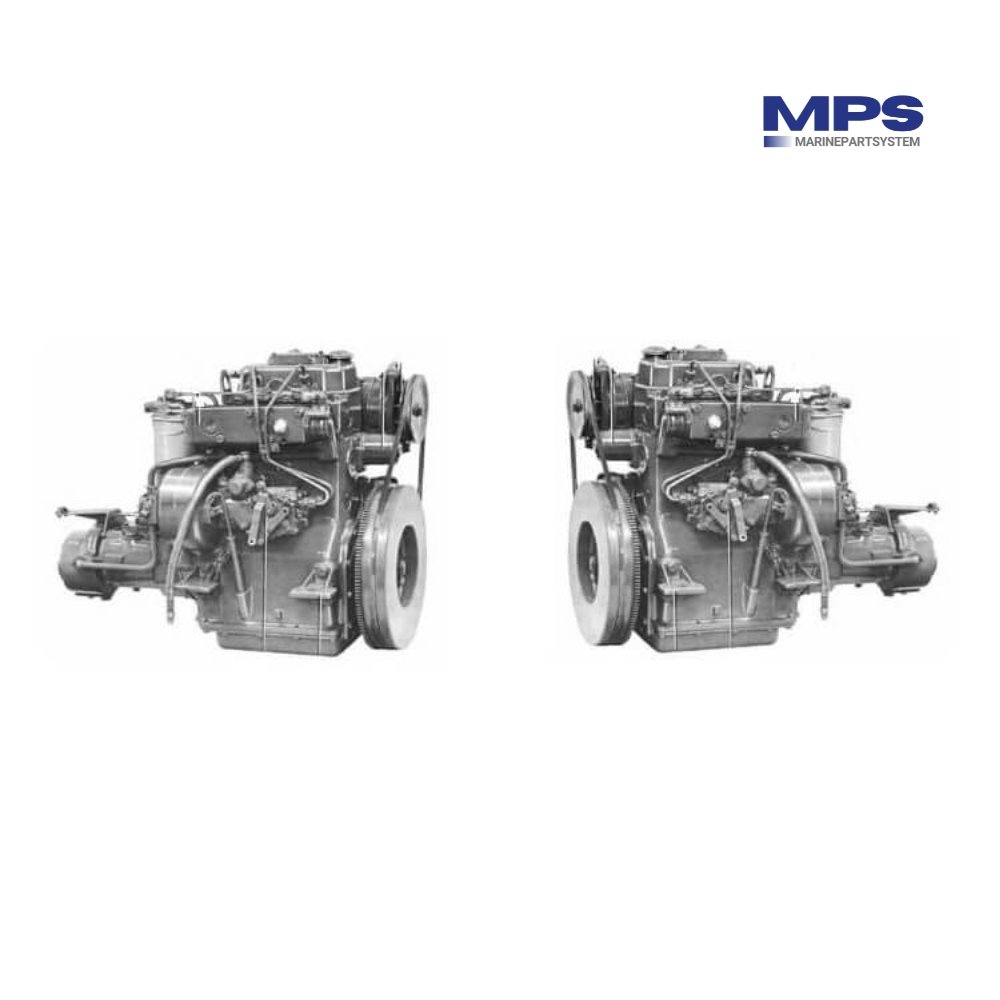
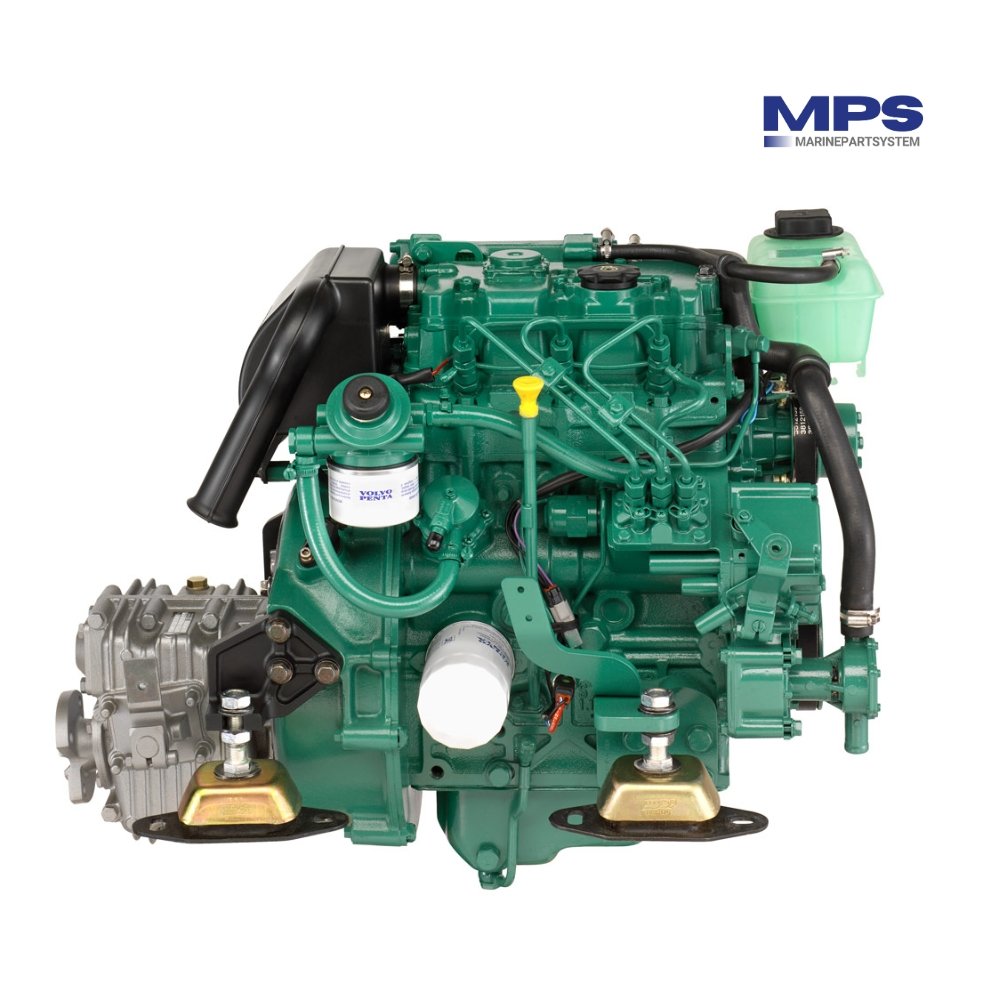
    Volvo Penta D1 Series Maintenance Guide – D1-13 / D1-20 / D1-30

    The Volvo Penta D1 Series marine diesel engines (D1-13, D1-20, D1-30) are built for performance and reliability — but like all marine engines, they require regular care to stay in top condition. This guide walks you through key maintenance tasks: oil changes, impeller replacements, fuel system checks, and more.

    🛠️ Maintenance Schedule

    • Every 50 hours: Check oil and coolant levels, inspect belts.
    • Every 100 hours: Change engine oil, oil filter, and check the raw water system.
    • Every 200 hours: Replace impeller, fuel filters, inspect hoses.
    • Annually: Full inspection including belts, mounts, exhaust elbow, and battery.

    🔧 How to Change the Engine Oil

    • What You Need: 15W-40 marine oil, Volvo Penta oil filter, extractor pump, funnel, rags.
    1. Warm up the engine to thin the oil.
    2. Use an oil extractor to remove old oil via the dipstick.
    3. Replace the old oil filter with a genuine or OEM-quality filter.
    4. Refill the engine with fresh oil to the correct level.
    5. Run the engine and check for leaks.

    ⛽ Replacing Fuel Filters

    The D1 series uses both a primary (water separator) and a secondary (engine-mounted) fuel filter.

    1. Shut off the fuel supply.
    2. Replace the primary fuel/water separator filter.
    3. Replace the secondary fuel filter on the engine.
    4. Prime the system using the manual pump.
    5. Bleed air via the bleed screw until fuel runs clear.

    💧 Raw Water Impeller Service

    A worn or damaged impeller can cause serious overheating issues.

    1. Close the seacock to stop water flow.
    2. Remove the pump cover and extract the impeller.
    3. Lubricate the new impeller with glycerin or dish soap.
    4. Insert the impeller with vanes facing the correct direction.
    5. Replace the cover, reopen the seacock, and start the engine to check flow.

    ❄️ Cooling System Maintenance

    • Flush the system using white vinegar or a marine descaler.
    • Inspect and replace worn hoses and clamps.
    • Clean or service the heat exchanger.

    🔋 Alternator Belt & Electrical Check

    • Check belt tension — it should deflect slightly under pressure.
    • Inspect for cracking, fraying, or squealing noises.
    • Replace with a high-quality OEM belt if worn.

    🌊 Exhaust System Inspection

    • Inspect the exhaust elbow for soot or corrosion.
    • Check the hose for wear, leaks, or blockage.
    • Ensure the waterlock/muffler is free of obstructions.

    🧊 Winterization Tips

    • Change oil and filters before storage.
    • Drain or flush the cooling system with antifreeze.
    • Fill the fuel tank and add stabilizer.
    • Disconnect and store the battery in a cool, dry place.

    ❓ Frequently Asked Questions

    • Q: How often should I replace the impeller?
      Every 200 hours or once a year — whichever comes first.
    • Q: My fuel filter keeps clogging — why?
      This may indicate fuel tank contamination or algae. Consider cleaning the tank and using a biocide additive.
    • Q: My engine is overheating — what now?
      Check the impeller, coolant level, raw water intake, and clean the heat exchanger if necessary.
    • Q: Do you sell D1 Series parts?
      Yes — we stock impellers, filters, pump kits, gaskets, belts, and more. Shop now.

    🛒 Featured Maintenance Kits for Volvo Penta D1 Series

    Complete Service Kits for D1-13, D1-20, and D1-30 Engines

    Engine Model Kit Includes Link
    Volvo Penta D1-13 / D1-20 Oil filter, fuel filters, impeller, gaskets View Kit →
    Volvo Penta D1-30 Oil filter, fuel filters, impeller, seals View Kit →

    Save time and prevent breakdowns with these all-in-one OEM-quality service kits. Includes everything you need for routine maintenance on your Volvo Penta D1 engine.

    🛒 Featured Maintenance Kits for Volvo Penta D1 Series


    Service Kit D1-13 D1-20

    D1-13 / D1-20 Service Kit

    Includes oil filter, fuel filters, impeller, gaskets

    View Kit


    Service Kit D1-30

    D1-30 Service Kit

    Includes oil filter, fuel filters, impeller, seals

    View Kit

    Tip: These OEM-quality kits include everything you need for routine service. Prevent costly breakdowns and extend the life of your Volvo Penta engine.

  • Volvo Penta MDI Unit (23231607): The Complete Guide for D1 & D2 Engine Owners

    Volvo Penta MDI Unit (23231607): The Complete Guide for D1 & D2 Engine Owners

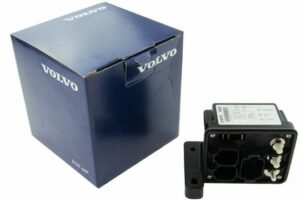
    MDI Unit Volvo Penta 22594274 - 21558939 - 21511215 - 21261871 - 23231607 ( NEW )
    Genuine MDI Unit – Volvo Penta 23231607 (Replaces 22594274, 21558939, 21511215, 21261871)

    Genuine Volvo Penta MDI Unit (23231607) – Troubleshooting & Replacement Guide

    The Volvo Penta MDI Unit (Mechanical Data Interface) is a critical component in the D1 and D2 diesel engine systems. If you’re experiencing starting issues, intermittent engine behavior, or error codes, this guide will help you understand the issue and show you how to fix it.

    ???? What Is an MDI Unit?

    The MDI Unit serves as a communication bridge between the engine and electronic controls. It processes key sensor data and controls several functions such as:

    • Engine start/stop
    • RPM, oil pressure, and temperature monitoring
    • Fuel system relay control
    • Warning indicators and alarms

    A failed MDI can lead to engine shutdown, no start, or misleading dashboard readings.

    ⚠️ Common Signs of a Faulty MDI Unit

    1. Engine won’t start or unexpectedly stops
    2. No dashboard data or erratic readings
    3. Unreliable RPM or idle performance
    4. Random fault codes or EVC warnings
    5. Fuel relay or alarm not working

    ✅ Recommended Replacement: Part 23231607

    Volvo Penta’s current and most reliable MDI unit is Part No. 23231607. It replaces multiple older part numbers and solves known reliability issues.

    Part Number Status Notes
    23231607 ✅ Available Latest recommended unit
    23231609 ✅ Available Variant for select models
    21610956 ❌ Obsolete Early unit, prone to failure
    This unit is engineered to eliminate common issues found in early MDI models. It’s the most stable and recommended version available.

    ????️ How to Replace the MDI Unit

    • Tools Needed: Basic hand tools, gloves, dielectric grease (optional)
    1. Disconnect the engine battery.
    2. Locate the existing MDI unit on the engine.
    3. Label and unplug all connectors carefully.
    4. Unscrew and remove the old MDI unit.
    5. Install the new 23231607 MDI and reconnect cables.
    6. Power up the system and test engine functions.

    Still need help? Contact us for expert support.

    ???? Order the Genuine MDI Unit – In Stock Now

    Volvo Penta MDI Unit – Part 23231607 (OEM Replacement)

    Only €Current €642.95 – Same-day shipping available. Genuine OEM part with full support included.

    Buy the MDI Unit Now

  • Johnson vs. Volvo Penta Impellers: What You Need to Know

    Johnson vs. Volvo Penta Impellers: What You Need to Know

    Volvo Penta Johnson Impeller Comparison
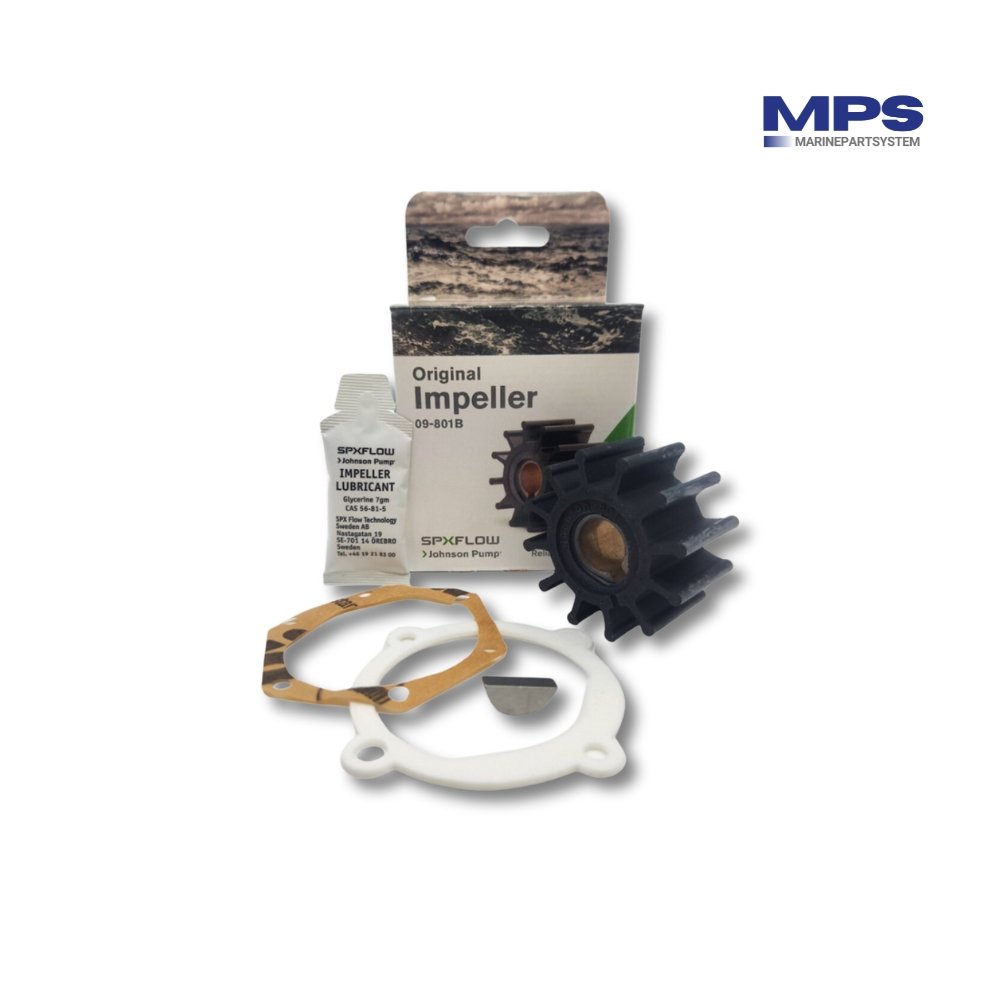
    Johnson vs Volvo Penta Impellers – What’s Really Inside the Box?

    Volvo Penta Impellers – OEM vs Aftermarket Comparison

    Wondering whether to stick with a branded Volvo Penta impeller or go with the original Johnson version—or even a cheaper aftermarket option? This guide covers what’s really behind the label, what to watch out for, and which impeller makes the best choice.

    ????️ Who Actually Makes Volvo Penta Impellers?

    The truth is, Johnson Pump manufactures many of the impellers sold by Volvo Penta. That means when you buy a Volvo-branded impeller, you’re often just paying for packaging — the part inside is the same.

    ???? OEM vs Aftermarket vs Rebranded

    Feature Johnson (OEM) Volvo Penta Aftermarket
    Build Quality OEM-grade Same (reboxed) Varies
    Price ???? Lower ???????? Higher ???? Cheapest
    Fitment Exact Exact Hit or miss
    Looking for a reliable impeller at a better price? Johnson impellers offer the same quality as Volvo — often at 30–40% less.

    ⚠️ What to Avoid with Aftermarket Brands

    1. Inferior rubber compound (leads to early wear)
    2. Imprecise molding (causes fit issues)
    3. Missing brass inserts or incorrect spline profile

    ???? Shop All Johnson Impellers – OEM Quality, Better Value


    Browse our full selection of genuine Johnson impellers – the original OEM manufacturer behind most Volvo Penta impellers.

    ???? View All Johnson Impellers

  • Overhaul your Volvo Penta pump 829895, Johnson F4B

    Overhaul your Volvo Penta pump 829895, Johnson F4B

    ???? Instructional Video

    For a step-by-step visual guide on rebuilding a Volvo Penta water pump, watch the video below:

    Need More Johnson Water Pump Impellers?

    Explore our full collection of genuine Johnson impellers and service kits for Volvo Penta marine engines.

    ???? Browse Johnson Impellers

  • Maintaining Your Volvo Penta MD6 / MD7: A Complete Guide

    Maintaining Your Volvo Penta MD6 / MD7: A Complete Guide

    The Volvo Penta MD6 and MD7 marine diesel engines are well-known for their durability and reliability. However, like any marine engine, they require regular maintenance to ensure longevity and optimal performance. This guide will cover everything you need to know, including oil changes, filter replacements, water pump repairs, impeller changes, and general upkeep.

    1. Regular Maintenance Schedule

    Maintaining Your Volvo Penta MD6 / MD7: A Complete Guide. To keep your MD6 or MD7 in top shape, follow a consistent maintenance routine:

    • Every 50 hours: Check oil level, coolant level, and inspect belts.
    • Every 100 hours: Change engine oil and filters, check impeller.
    • Every 200 hours: Replace impeller, clean cooling system, inspect fuel system.
    • Annually: Comprehensive inspection, including checking seals, fuel lines, and exhaust system.

    2. Oil Change

    Tools & Materials:

    Steps:

    1. Run the engine for a few minutes to warm up the oil.
    2. Use an oil extractor pump to remove old oil from the dipstick tube.
    3. Replace the old oil filter with a new one.
    4. Refill the engine with fresh oil to the correct level.
    5. Check for leaks and run the engine to ensure proper circulation.

    3. Changing Fuel Filters

    Dirty fuel filters can cause performance issues and stalling. The MD6 and MD7 have both a primary and secondary fuel filter.

    Steps:

    1. Shut off the fuel supply.
    2. Remove the old primary fuel filter and replace it.
    3. Replace the secondary fuel filter on the engine.
    4. Prime the fuel system by pumping the manual lever on the fuel lift pump.
    5. Bleed air from the system by loosening the bleed screw while pumping fuel until air bubbles disappear.

    4. Water Pump – Impeller Replacement

    The raw water pump is critical for cooling the engine. A damaged impeller can cause overheating.

    Steps:

    1. Close the seacock to prevent water from entering.
    2. Remove the water pump cover by loosening the screws.
    3. Pull out the old impeller using needle-nose pliers or an impeller puller.
    4. Apply a light coat of glycerin or dish soap to the new impeller.
    5. Insert the new impeller, ensuring the vanes bend in the correct direction.
    6. Reinstall the cover and reopen the seacock.
    7. Start the engine and check for water flow.

    5. Cooling System Maintenance

    Over time, scale and salt buildup can reduce cooling efficiency. To prevent overheating:

    • Flush the cooling system: Use a mix of fresh water and white vinegar.
    • Inspect hoses and clamps: Look for leaks or cracks.
    • Check the heat exchanger: Clean it if needed.

    6. Belt & Alternator Check

    A loose or worn alternator belt can affect charging and cooling.

    Steps:

    1. Check belt tension by pressing down in the middle—there should be slight resistance.
    2. If loose, adjust the alternator bracket to tighten it.
    3. Inspect for cracks or fraying and replace if necessary.

    7. Exhaust System Inspection

    Blocked exhausts can lead to backpressure and overheating.

    • Check for soot deposits or leaks.
    • Ensure the water trap is clear and functional.
    • Replace exhaust hose if it shows signs of wear.

    8. Winterization & Long-Term Storage

    If storing your boat for the season:

    • Change the oil and filters.
    • Flush and drain the cooling system.
    • Fill the fuel tank and add stabilizer.
    • Disconnect the battery and store it in a cool, dry place.

    Conclusion

    Regular maintenance of your Volvo Penta MD6 or MD7 will ensure years of reliable service. Following this guide will help prevent breakdowns and costly repairs. Keep a maintenance log to track services, and always use high-quality replacement parts.

    By staying on top of routine care, your marine engine will run smoothly, keeping your boat ready for the next adventure!


    Frequently Asked Questions (FAQ)

    My impeller pump is leaking. What should I do?

    A leaking impeller pump often indicates worn seals. We offer replacement seal kits to fix this issue. If the pump housing is damaged, consider a complete pump replacement.

    The shaft on my water pump is worn. Can it be repaired?

    Yes! We offer a repair shaft kit that includes a new shaft and necessary components to restore proper function.

    How often should I replace the impeller?

    We recommend replacing the impeller every 200 hours or at least once a year to prevent failure at sea.

    My fuel filter keeps clogging. What could be the issue?

    Frequent clogging can be caused by contaminated fuel or algae buildup in the tank. Regularly draining the fuel tank and using a fuel additive can help prevent this issue.

    What should I do if my engine overheats?

    Check the raw water intake for blockages, inspect the impeller, and ensure the coolant levels are adequate. If overheating persists, inspect the heat exchanger (if you have one on your md6/7) for clogs.

    Do you sell replacement parts for the Volvo Penta MD6/MD7?

    Yes! We provide a variety of replacement parts, including impellers, seals, gaskets, filters, and complete pump replacements.

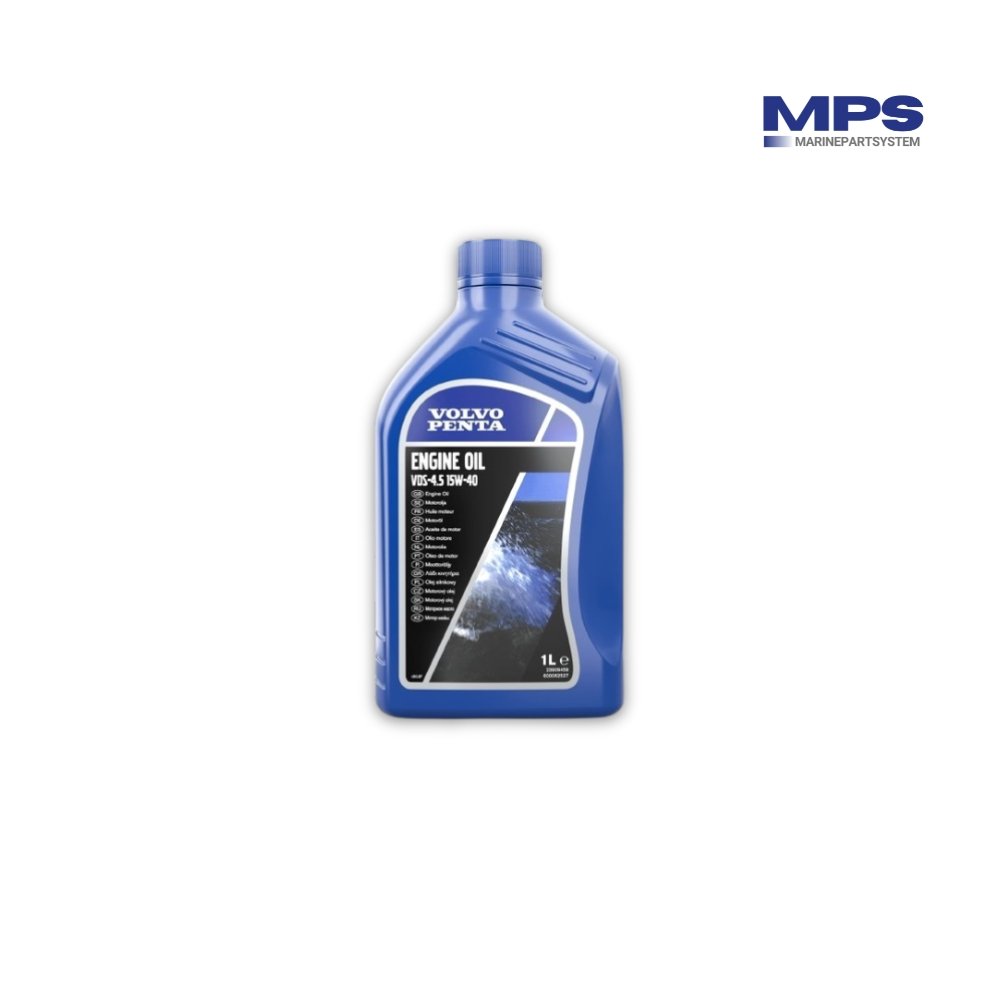
  • Why Use Volvo Penta VDS-4.5 Engine Oil for Your Volvo Penta Engine?

    Why Use Volvo Penta VDS-4.5 Engine Oil for Your Volvo Penta Engine?


    Keep your Volvo Penta engine in top shape with the right oil.

    Introduction

    Picking the right engine oil is crucial for keeping your Volvo Penta engine running well, lasting longer, and staying efficient. Learn more about Volvo Penta. Volvo Penta VDS 4.5 is a premium oil designed for diesel engines, offering top protection, better performance, and compliance with industry standards. Let’s see why it’s the go-to choice for your engine!

    1. Boost Engine Performance

    VDS 4.5 is made to match diesel engine needs, providing great lubrication that reduces friction and improves efficiency. It’s built to handle tough conditions, perfect for marine and industrial use. Learn more about maintenance. Using this oil keeps your engine running its best!

    2. Extend Engine Life

    A standout feature of VDS 4.5 is its excellent wear protection. It forms a shield over moving parts, stopping metal-on-metal contact and cutting wear. This means a longer-lasting engine and lower repair costs. Volvo Penta VDS 4.5 is a must for durability!

    3. Save on Fuel Costs

    Benefit With VDS 4.5 Without
    Deposits Reduced Buildup
    Fuel Use Lower Higher
    Emissions Cleaner Dirtier

    It keeps your engine clean for better combustion, saving you money and helping the environment.

    4. Meet Industry Standards

    VDS 4.5 goes beyond standards like API CK-4 and Volvo VDS-4.5, working perfectly with emission systems like DPFs and SCR. Stay compliant and eco-conscious with this oil.

    5. Less Maintenance

    Enjoy longer drain intervals—check your manual, but a yearly change is a good rule of thumb!

    Fewer oil changes mean more uptime, a big plus for marine and commercial users.

    6. Keep Your Engine Clean

    With advanced additives, VDS 4.5 stops sludge and keeps parts spotless, ensuring smooth operation even in tough conditions.

    Conclusion

    Choosing Volvo Penta VDS 4.5 oil is a smart move for performance, durability, and savings. Its advanced formula protects your engine, boosts fuel efficiency, and fits marine or industrial needs. Stick to genuine oils for the best results!

    Looking for high-quality engine oil? Buy it at MPS now!

    Looking for an alternative? We’ve got you covered! Check out the Eurol Nautic 15W-40.

  • How to change your transmission oil in an Inboard engine

    How to change your transmission oil in an Inboard engine

    See our transmission oils

    Introduction

    Keeping your inboard engine’s transmission oil fresh is vital for smooth performance and avoiding big repairs. This guide walks you through the process step-by-step!

    ????️ Tools & Materials Needed
    • Replacement transmission oil (check your manual)
    • Oil extraction pump (manual or electric)
    • Funnel
    • Container for old oil
    • Clean rags
    • Wrench (if needed for drain plug)
    • New transmission oil filter (if applicable)

    ???? Step-by-Step Process

    1. Warm Up the Engine

    Run the engine for a few minutes to warm the oil (optional, but it helps with extraction).

    2. Locate the Fill and Drain Points

    Check your manual for the dipstick, fill port, and drain plug. Some use an extraction pump via the dipstick tube.

    3. Extract the Old Oil

    • With a drain plug, place a container underneath and remove it to drain.
    • Without a plug, use an extraction pump through the dipstick tube.

    4. Check for Contaminants

    Look for metal shavings, water, or a burnt smell in the old oil. Issues may need a deeper check.

    5. Replace the Oil Filter (If Required)

    Some transmissions have a filter—see your manual for replacement details.

    6. Refill with New Oil

    • Use a funnel to add the right oil type and amount.
    • Don’t overfill—check the dipstick level.
    • Get your oil here

    7. Run & Check Levels

    Idle the engine in neutral for a few minutes, then top off the oil if needed.

    8. Inspect for Leaks

    Check the drain plug and fill cap for any leaks.

    9. Dispose of Old Oil

    Take used oil to a recycling center for proper disposal.

    ???? Popular Inboard Marine Gearboxes

    Check out these common gearboxes:

    • Hurth (ZF)
    • Volvo Penta IPS
    • Twin Disc
    • PRM
    • Technodrive (TMC)
    • Borg Warner Velvet Drive
    • Yanmar
    • Masson Marine
    ???? Final Tips
    • Check your manual for specific instructions and oil type.
    • Inspect oil regularly for discoloration or debris.
    • If gears slip or make noise, get a transmission check.

    Follow these steps to keep your transmission running strong for years!

    ???? Oil Types by Gearbox

    • Kanzaki (Yanmar)
    • KBW10E ATF Oil 0.7 Liters
    • KBW20 ATF Oil 1.2 Liters
    • KBW20-1 ATF Oil 1.2 Liters
    • KBW21 ATF Oil 1.2 Liters
    • KM2P Same oil as engine 0.3 Liters
    • KM3A-1 Same oil as engine 0.45 Liters
    • KM3P Same oil as engine 0.35 Liters
    • KM3P4 Same oil as engine 0.35 Liters
    • KM35P Same oil as engine
    • KM35A Same oil as engine
    • KM35A2 Same oil as engine
    • KM3V SEA 30 Motor Oil 0.8 Liters
    • KM4A SEA 30 Motor Oil or same as engine 1.3 Liters
    • KM4A1 SEA 30 Motor Oil or same as engine 1.3 Liters
    • ZF 30 M ATF
    • KM5A SEA 30HD Oil 2.1 Liters
    • KMH4A Hydraulic Oil 2.0 Liters
    • KMH6A Hydraulic Oil 4.0 Liters
    • KMH6A1 Hydraulic Oil 4.0 Liters
    • SD20 SAE 80W90 Gear Oil (except GM1 Engine) 2.2 Liters
    • SD31 SAE 80W90 Gear Oil (except GM1 Engine) 2.2 Liters
    • SD40 Quicksilver High Performance Gear Lube 1.8+ Liters
    • SD40-T Quicksilver High Performance Gear Lube 2.1+ Liters
    • YX-70 Hydraulic Oil 5.0 Liters
    • Bukh
    • Bukh Saildrive DV10LSME Hypoid Gear Oil SEA90 or SEA80W90 0.4 Liters
    • Bukh Saildrive DV10 Hypoid Gear Oil SEA90 or SEA15W40 3.3 Liters
    • Bukh Saildrive DV20 Hypoid Gear Oil SEA90 or SEA15W40 3.3 Liters
    • Bukh Saildrive DV24 Hypoid Gear Oil SEA90 or SEA15W40 3.3 Liters
    • Bukh Saildrive DV36 Hypoid Gear Oil SEA90 or SEA15W40 3.3 Liters
    • Bukh Saildrive DV48 Hypoid Gear Oil SEA90 or SEA15W40 3.3 Liters
    • Hurth
    • Hurth HBW 5 ATF Oil 0.35 Liters
    • Hurth HBW 10 ATF Oil 0.55 Liters
    • Hurth HBW 20 ATF Oil 0.75 Liters
    • Hurth HBW 35 ATF Oil 0.30 Liters
    • Hurth HBW 40 ATF Oil 0.30 Liters
    • Hurth HBW 50 ATF Oil 0.30 Liters
    • Hurth HBW 100 ATF Oil 0.35 Liters
    • Hurth HBW 125 ATF Oil 0.55 Liters
    • Hurth HBW 150A ATF Oil 0.5 Liters
    • Hurth HBW 150V ATF Oil 1.0 Liters
    • Hurth HBW 250 ATF Oil 0.75 Liters
    • Hurth HSW ATF Oil 3.5 Liters

    Always check your manual for the right oil type and amount!

    Ready to change your transmission oil? Get started with our quality products!

    Buy Transmission Oil View All Oils

  • When to Replace Your Boat’s Engine Fuel Filter

    When to Replace Your Boat’s Engine Fuel Filter

    Your boat’s fuel system is its lifeline, and keeping it clean is crucial for smooth operation. If there’s water, diesel bacteria (sludge), or dirt in or on the fuel tank, it’s time to replace the engine’s fuel filter to prevent damage.

    ???? Related: How to Clean Your Boat’s Fuel Tank

    Why Regular Fuel Filter Checks Matter

    A clogged or contaminated fuel filter can cause:
    Engine performance issues
    Reduced fuel efficiency
    Potential engine failure

    That’s why it’s essential to inspect the fuel system regularly, especially before winter storage.

    Signs It’s Time to Replace the Fuel Filter

    ???? Water or dirt in the filter’s inspection hole – This indicates possible contamination in the fuel tank.
    ???? Sludge buildup – Diesel bacteria thrive in water and can form thick sludge that clogs the fuel system.
    ???? Engine hesitation or stalling – A dirty filter restricts fuel flow, leading to performance issues.

    Preventive Maintenance Tips

    Check and replace your fuel filter annually—ideally when preparing your boat for winter.
    If contamination is found, clean the fuel tank to prevent future issues.
    Use high-quality diesel fuel to reduce the risk of water buildup and sludge formation.

    Install a Pre-Filter for Extra Protection

    To further protect your engine, consider installing a pre-filter. Brands like Delphi and other aftermarket options feature a glass bowl, allowing you to visually check for water or bad fuel before it reaches the engine. This extra layer of filtration can help extend the life of your main fuel filter and keep your fuel system cleaner.

    If you have a delphi pre filter. Please order the Volvo Penta Fuel filter 3581078. These filters can be difficult to seal. The Volvo Penta one will seal easier than the delphi one!

    ???? Recommended Product: Delphi Diesel Fuel Pre-Filter

    Final Thoughts

    By staying ahead of fuel contamination, you ensure a smoother, safer boating experience with a reliable engine every time you hit the water.

  • How to Extend the Life of Your Diesel Engine with Preventative Maintenance

    How to Extend the Life of Your Diesel Engine with Preventative Maintenance

    Explore our maintenance parts

    Introduction

    Your boat’s diesel engine is its heart! Like any vital machine, it needs regular care to perform at its best. A preventative maintenance routine can extend its life, boost efficiency, and save you from costly breakdowns.

    At MarinePartSystem (MPS), we’re dedicated to helping boat owners keep their engines in top shape. This guide covers essential tasks, their importance, and how our quality parts can support you.


    ❓ Why Preventative Maintenance Matters

    Many wait for engine trouble before acting. But by then—whether it’s poor performance, smoke, or overheating—damage may already be done. Preventative care catches issues early for reliable, efficient operation.


    ✅ Key Benefits of Preventative Maintenance

    • Improved Engine Performance: Keeps your engine running at peak power.
    • Lower Repair Costs: Stops small issues from becoming big expenses.
    • Extended Engine Lifespan: Well-maintained engines last longer.
    • Increased Fuel Efficiency: Better fuel use saves money and helps the environment.

    ????️ Essential Preventative Maintenance Tasks

    Maximize your diesel engine’s lifespan with these regular tasks:

    1. Change the Oil and Oil Filter

    Oil keeps engine parts lubricated, preventing wear. It breaks down over time, so regular changes are key.

    • How Often: Every 100 hours or yearly.
    • How to Do It: Drain old oil, replace the filter, and refill with fresh oil.

    2. Replace the Fuel Filters

    Clean fuel is vital for performance. Clogged filters can cause engine trouble.

    • How Often: Every 100 hours or yearly, or more with poor fuel.
    • How to Do It: Drain debris, replace the filter, and bleed the fuel system.

    3. Inspect and Replace Coolant Hoses

    Hoses keep your engine cool, preventing overheating. Damaged ones can restrict flow.

    • How Often: Inspect every 50 hours.
    • How to Do It: Check for cracks or leaks; replace damaged hoses.

    4. Clean or Replace the Air Filter

    A clean air filter ensures good combustion. A clogged one hurts performance.

    • How Often: Inspect every 50 hours, more in dusty conditions.
    • How to Do It: Replace when dirty or clogged.

    5. Inspect Belts and Pulleys

    Belts power components like the alternator. Worn belts can fail, causing issues.

    • How Often: Check every 50 hours or season start.
    • How to Do It: Look for fraying or cracks; replace if needed.

    6. Flush and Refill the Coolant System

    Coolant prevents overheating. Degraded coolant needs a flush for proper temperature control.

    • How Often: Every two years or per manufacturer’s advice.
    • How to Do It: Drain old coolant, flush with water, and refill.

    ???? Bonus Tips

    1. Monitor Engine Performance

    Stay alert to changes like noises, smoke, or power loss. Early action prevents big problems.

    2. Seasonal Maintenance

    Prep your engine for season changes. Winterize it and check systems like oil and fuel before the season starts.

    3. Download Our Checklist

    For easy tracking, grab our Diesel Engine Maintenance Checklist.


    ???? Why Choose MarinePartSystem (MPS) for Your Parts?

    At MarinePartSystem (MPS), we offer top-quality parts—oil filters, fuel filters, and more—to keep your engine running. All come with a 1-year warranty for reliability.

    Explore Our Products:


    ???? Common Maintenance Mistakes to Avoid

    Even pros can slip up. Avoid these pitfalls:

    • Neglecting Coolant Checks: Low coolant can cause overheating—check regularly.
    • Ignoring Oil Changes: Skipping oil changes wears out parts fast—make it routine!
    • Overlooking Air Filters: A clogged filter cuts performance—inspect often.

    ???? Contact Us for Assistance

    Need help with parts or advice? Our MarinePartSystem (MPS) team is here for you. Contact us for expert guidance.

    Ready to maintain your engine? Get started with MPS parts today!

    Shop Maintenance Parts

  • Diesel Engine Maintenance Checklist

    Diesel Engine Maintenance Checklist

    Keeping your boat’s diesel engine in top shape is essential for performance and longevity. Use this checklist to ensure you’re performing all necessary maintenance tasks at the right intervals. Regular maintenance helps prevent costly repairs and improves engine efficiency.


    Daily/Before Every Use:

    • Check Oil Level: Ensure the oil is at the correct level and free of contaminants.
      Tip: Check your oil filters for any signs of wear.
    • Check Coolant Levels: Verify coolant is at the proper level to prevent overheating.
    • Inspect Belts: Look for any signs of fraying, cracks, or tension issues.
      Need a replacement? Visit our belt section for high-quality options.
    • Check Fuel Level & Quality: Ensure the fuel is clean and free of water or debris.
    • Inspect Air Filter: Make sure the air filter is clean and not clogged with debris.
      For new air filters, check out our air filter products.

    Every 50 Hours/Monthly:

    • Inspect Coolant Hoses: Look for wear, cracks, or leaks and replace damaged hoses.
    • Inspect Fuel Filters: Check for signs of clogging or contamination.
      Explore our fuel filters for top-quality replacements.
    • Inspect Belts & Pulleys: Ensure belts are in good condition and properly tensioned.
    • Replace Air Filter: If the filter is dirty or clogged, replace it to maintain engine performance.
    • Inspect Exhaust System: Look for leaks or blockages in the exhaust system.

    Every 100 Hours/Annually:

    • Change Oil & Oil Filter: Replace oil and oil filter to maintain engine lubrication and prevent wear.
      Don’t forget to stock up on oil filters for regular changes.
    • Replace Fuel Filters: Replace fuel filters to ensure clean fuel supply to the engine.
    • Flush & Refill Coolant System: Drain and flush the system, then refill with fresh coolant.
    • Check Engine Performance: Look for any unusual noises, vibrations, or changes in power output.

    Every 200-500 Hours/Every 2-3 Years:

    • Inspect Turbocharger: Check for any signs of wear, damage, or oil leakage.
    • Inspect Injector Nozzles: Clean or replace injector nozzles as needed.
      Need injector parts? Browse our injector products.
    • Replace Timing Belts: Check and replace timing belts if necessary to prevent engine failure.
    • Flush Fuel System: Ensure the entire fuel system is clean and free of contaminants.
    • Check Engine Mounts: Inspect engine mounts for signs of wear or damage.
      For engine mounts and accessories, check out our products page.

    Seasonal Maintenance (Before & After Each Season):

    Winterization

    • Change oil and oil filter.
    • Add antifreeze or winterizing fluid to the cooling system.
    • Drain fuel system and add fuel stabilizer.
    • Inspect the battery and clean the terminals.
    • Cover engine to protect from dust and debris.
      For winterization guides and tips, check out this article on preparing your engine for the off-season.

    Pre-Season Check

    • Inspect fuel system, replace filters if necessary.
    • Verify that the cooling system is working properly.
    • Check battery charge and condition.
    • Ensure all safety equipment is functional (fire extinguisher, bilge pump, etc.).

    Additional Notes:

    • Record Maintenance: Keep a log of all maintenance activities, including dates, tasks completed, and parts replaced.
    • Refer to Your Engine Manual: Always follow your engine’s specific guidelines for maintenance intervals and part specifications.